
Growing multiple cannabis strains together can be a rewarding experience, offering a variety of flavors, effects, and harvest times. However, it also presents unique challenges that require careful planning and management. Whether you’re a novice or an experienced grower, this guide will walk you through the essential steps to successfully grow different cannabis strains side by side.
Understanding Cannabis Strain Variations
Cannabis strains come in many varieties, each with its own unique characteristics. These differences can be found in:
- Growth Rate: Some strains grow faster than others.
- Height: Indica strains tend to be shorter and bushier, while Sativa strains can grow tall and slender.
- Nutrient Requirements: Different strains may require varying levels of nutrients.
- Flowering Time: Flowering periods can range from 6 to 12 weeks, depending on the strain.
- Climate Preference: Some strains thrive in cooler temperatures, while others prefer a warmer climate.
Understanding these variations is crucial for planning your grow space and managing your plants effectively.
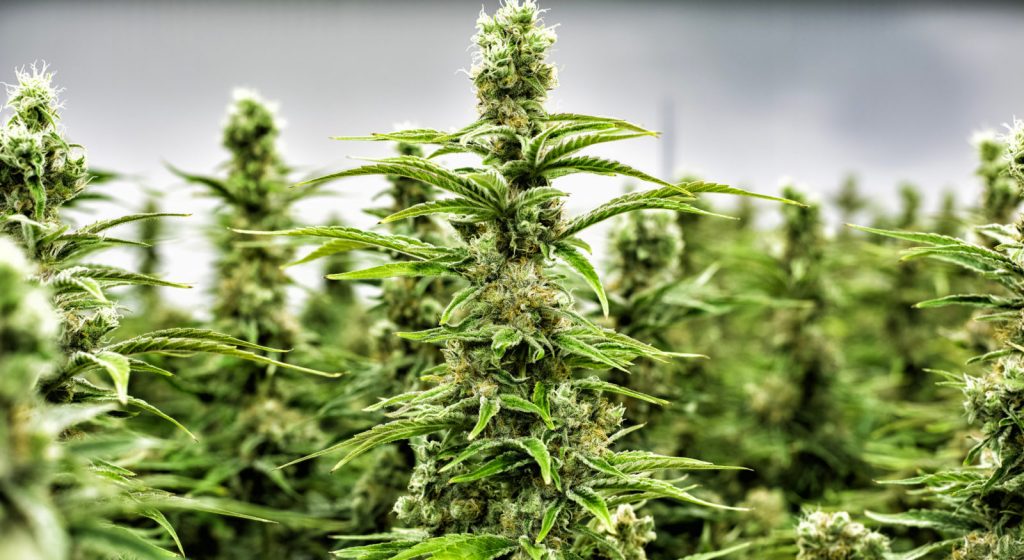
Step 1: Selecting Compatible Strains
When choosing strains to grow together, consider the following factors:
- Growth Patterns: Opt for strains with similar growth rates and heights to prevent one strain from overshadowing others. For example, growing two Indica strains together is generally easier than growing an Indica and a Sativa together.
- Nutrient Needs: Select strains with similar nutrient requirements to simplify feeding schedules. Some strains are more nutrient-hungry, while others may be sensitive to overfeeding.
- Flowering Times: Aligning flowering times ensures that all plants can be harvested around the same period, simplifying the harvest process.
Step 2: Preparing the Growing Environment
To grow multiple cannabis strains successfully, you need to create a controlled environment that can accommodate the needs of all strains. Consider the following:
1. Space Management
- Vertical Space: Taller strains should be placed in areas with more vertical space to prevent them from overshadowing shorter strains. Consider using trellises or SCROG (Screen of Green) techniques to manage height differences.
- Horizontal Space: Ensure that each plant has enough horizontal space to spread out without competing for light and air circulation. Overcrowding can lead to mold and mildew issues.
2. Lighting
- Light Intensity: Different strains might prefer different light intensities. Adjustable lighting systems allow you to fine-tune the light levels according to the needs of each strain.
- Light Cycle: Ensure that all strains can thrive under the same light cycle, whether it’s the vegetative stage (18/6 hours of light/dark) or flowering stage (12/12 hours of light/dark).
3. Temperature and Humidity Control
- Temperature: Maintain a stable temperature range that suits all strains. Most cannabis plants thrive in temperatures between 70-85°F (20-30°C) during the day and slightly cooler at night.
- Humidity: Keep humidity levels within the optimal range for the growth stage of your plants. Vegetative plants prefer higher humidity (40-70%), while flowering plants thrive in lower humidity (40-50%) to prevent mold.
Step 3: Planting and Germination
Once your environment is prepared, it’s time to plant your seeds.
1. Germination
- Germinate all seeds at the same time to ensure a synchronized start. You can use paper towel methods, direct soil planting, or water germination, depending on your preference.
- Monitor the seeds closely, as different strains may sprout at different rates.
2. Transplanting
- Once the seedlings have sprouted, transplant them into their final growing medium. Use separate pots for each strain to allow for individual attention.
- If growing in a hydroponic system, ensure that the root zones of different strains don’t become entangled, which could lead to uneven nutrient distribution.
Step 4: Nutrient Management
Feeding multiple strains requires careful attention to ensure that each plant receives the nutrients it needs without over or underfeeding others.
1. Base Nutrients
- Start with a balanced base nutrient that caters to the general needs of all your plants. Monitor their growth closely, adjusting the nutrient mix as necessary.
2. Supplementary Nutrients
- Depending on the strain, you might need to add specific supplements like calcium, magnesium, or phosphorus. If some strains require different nutrients, consider feeding them individually.
3. pH Levels
- Maintain the pH levels within the optimal range for cannabis growth (6.0-7.0 for soil, 5.5-6.5 for hydroponics). pH imbalances can affect nutrient absorption and cause deficiencies.
Step 5: Training Techniques
Training is essential when growing multiple strains together, especially if they have different growth patterns.
1. Low-Stress Training (LST)
- LST involves bending and tying down branches to create a more even canopy. This technique is especially useful for managing height differences between strains.
- By spreading the branches horizontally, you can ensure that all plants receive equal light exposure.
2. Topping and FIMing
- Topping involves cutting off the top of the plant to encourage bushier growth, while FIMing (F**k I Missed) is a similar technique with less precise cuts. These methods can help control the height of taller strains.
- Apply these techniques carefully, as some strains may respond better than others.
3. Super Cropping
- Super cropping involves gently crushing the stems of taller plants to make them more flexible, allowing you to bend them to your desired height. This technique can help manage vertical space and create a more uniform canopy.
Step 6: Monitoring and Maintenance
Regular monitoring and maintenance are crucial for a successful multi-strain grow.
1. Daily Inspection
- Check your plants daily for signs of stress, nutrient deficiencies, or pest infestations. Early detection is key to preventing problems from spreading.
- Pay special attention to how each strain is responding to the environment and make adjustments as needed.
2. Watering
- Watering needs may vary between strains. Some may require more frequent watering, while others might be more drought-resistant. Adjust your watering schedule accordingly to avoid overwatering or underwatering.
- Consider using drip irrigation systems to provide consistent moisture levels tailored to each plant’s needs.
3. Pruning
- Regular pruning helps improve air circulation and light penetration, especially in dense multi-strain grows. Remove any dead or yellowing leaves and trim lower branches that aren’t receiving adequate light.
Step 7: Flowering Stage Considerations
As your plants transition to the flowering stage, they may require different care strategies.
1. Light Adjustments
- Ensure that your light cycle is set to 12/12 hours of light/darkness for flowering. Monitor the light intensity and adjust as needed to prevent light burn, especially for strains with varying heights.
- Consider using light movers to distribute light evenly across all plants.
2. Nutrient Adjustments
- Transition to bloom nutrients that support flowering. Some strains may require higher levels of potassium and phosphorus during this stage.
- Be cautious with feeding schedules to avoid nutrient burn, especially with sensitive strains.
3. Managing Flowering Times
- Since different strains may have different flowering times, harvest each strain individually as they reach maturity. This prevents premature harvesting of late-flowering strains or over-maturation of early-flowering ones.
- Keep a detailed log of each strain’s flowering time to plan future grows more effectively.
Step 8: Harvesting and Curing
The harvest is the culmination of your efforts, and proper timing is essential.
1. Trichome Inspection
- Use a magnifying glass or jeweler’s loupe to inspect the trichomes on the buds. Harvest when the trichomes are milky with some turning amber, depending on your desired effects.
- Each strain may have different harvest windows, so inspect each plant individually.
2. Drying
- Dry each strain separately to prevent cross-contamination of flavors and to cater to their specific drying needs. Hang the plants upside down in a dark, well-ventilated room with humidity around 50%.
- Drying typically takes 7-10 days, but it can vary depending on the strain and environmental conditions.
3. Curing
- After drying, trim the buds and place them in airtight jars for curing. Open the jars daily for the first week to release moisture and then gradually reduce the frequency.
- Curing can take anywhere from 2 weeks to several months, depending on the strain and desired quality.
Read Also : The Essentials of Cannabis Autoflowering Seeds: A Comprehensive Guide
Conclusion
Growing multiple cannabis strains together requires careful planning, monitoring, and flexibility. By selecting compatible strains, managing your growing environment, and adjusting your care techniques as needed, you can successfully cultivate a diverse and bountiful harvest. Each strain will bring its unique characteristics to the table, providing you with a rich variety of cannabis to enjoy.
Whether you’re looking to explore different flavors, effects, or simply want to diversify your garden, growing multiple strains together can be an exciting and rewarding challenge. With patience and attention to detail, you’ll be able to master the art of multi-strain cultivation and enjoy the fruits of your labor in no time.