
As the demand for sustainable agricultural practices continues to rise, many growers are turning to organic cannabis seeds as a critical component in eco-friendly farming. Organic cannabis cultivation aligns with the principles of sustainability, emphasizing soil health, biodiversity, and minimal environmental impact. In this post, we’ll explore how organic cannabis seeds play a vital role in promoting sustainable farming practices and why they are becoming the go-to choice for conscientious growers.
What Are Organic Cannabis Seeds?
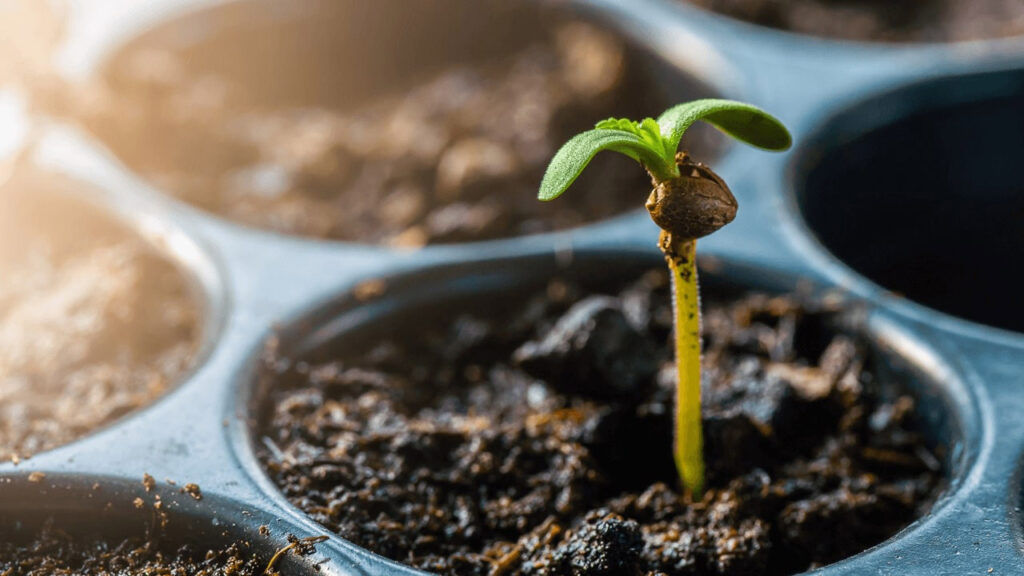
Organic cannabis seeds are cultivated without the use of synthetic chemicals such as pesticides, herbicides, or chemical fertilizers. These seeds are typically sourced from plants grown in natural, nutrient-rich environments, using organic methods that promote healthy growth and biodiversity. When a grower uses organic seeds, they are committing to an entire cultivation process that follows organic principles.
Why Choose Organic Cannabis Seeds?
Opting for organic cannabis seeds supports a farming process that is better for the environment, healthier for consumers, and often more profitable for farmers. Below are several reasons why choosing organic seeds is key to sustainable cannabis farming.
1. Enhancing Soil Health
Healthy soil is the foundation of sustainable farming, and organic cannabis seeds play a direct role in promoting soil vitality. Unlike conventional seeds that may require synthetic fertilizers, organic cannabis seeds thrive in nutrient-dense soils that are maintained through natural processes. The use of organic composts, green manures, and cover crops helps to replenish soil nutrients and maintain its structure, reducing erosion and runoff.
Over time, organic practices enhance the microbial life in the soil, which in turn improves the plant’s ability to absorb nutrients and resist diseases. Healthier soil also means better water retention, which reduces the need for excessive irrigation.
- Sustainability Benefit: Healthier soil promotes long-term productivity, reduces the need for chemical inputs, and conserves water, all of which contribute to a more sustainable farming ecosystem.
2. Reducing Environmental Impact
Organic farming practices focus on reducing the environmental footprint of cannabis cultivation. By using organic cannabis seeds, farmers eliminate the need for synthetic pesticides and fertilizers, which often contaminate nearby water sources, harm wildlife, and degrade soil quality over time.
Organic seeds also support biodiversity. Conventional farming can disrupt local ecosystems by killing off beneficial insects and plants with chemicals. Organic cannabis cultivation encourages natural predators to thrive, balancing ecosystems and reducing the likelihood of pest infestations.
- Sustainability Benefit: By avoiding harmful chemicals, organic cannabis cultivation helps protect ecosystems, conserve water quality, and foster biodiversity.
3. Mitigating Climate Change
Agriculture is a significant contributor to greenhouse gas emissions, but organic farming methods help mitigate this impact. Organic cannabis cultivation with organic seeds tends to result in lower carbon emissions than conventional methods because it reduces reliance on energy-intensive fertilizers and pesticides.
In addition, organic farming practices like crop rotation, cover cropping, and minimal tillage promote carbon sequestration in the soil. This process traps carbon in the ground, reducing the amount of carbon dioxide (CO2) released into the atmosphere and helping combat climate change.
- Sustainability Benefit: By sequestering carbon and reducing chemical use, organic cannabis farming can significantly lower the overall carbon footprint of the cultivation process.
4. Healthier, Higher-Quality Plants
One of the benefits of using organic cannabis seeds is that they often produce healthier, more resilient plants. Organic seeds are bred to thrive in natural growing conditions, making them better equipped to withstand pests, diseases, and environmental stressors without relying on chemical interventions.
This leads to higher-quality cannabis that is free from chemical residues and harmful additives. For consumers, this means cleaner, purer products that can be marketed as safe, organic, and eco-friendly—a big draw in the increasingly health-conscious cannabis market.
- Sustainability Benefit: Healthier plants with fewer chemical residues translate into better quality cannabis, which is more attractive to consumers seeking organic products, leading to higher demand for sustainable farming.
5. Supporting Long-Term Sustainability
Sustainable farming isn’t just about short-term gains—it’s about creating a system that can thrive for generations. Organic cannabis seeds contribute to long-term sustainability by promoting practices that replenish and preserve natural resources.
Conventional farming methods that rely heavily on synthetic inputs may produce high yields initially but often lead to soil depletion and environmental damage over time. Organic practices, on the other hand, build up the natural resources (like soil health and water retention) that are needed for continued agricultural productivity. By focusing on long-term health rather than short-term profit, organic cannabis seeds help ensure a sustainable future for cannabis cultivation.
- Sustainability Benefit: Organic cannabis seeds support a holistic approach to farming that prioritizes long-term environmental health and economic viability.
6. Meeting Consumer Demand for Organic Products
As more consumers become aware of the environmental and health impacts of conventional farming, there has been a growing demand for organic products, including cannabis. People are seeking cannabis that is not only high in quality but also produced in ways that align with their values of sustainability and environmental responsibility.
Cannabis products made from organic seeds are more marketable as they meet the expectations of eco-conscious consumers. In many cases, organic cannabis can command higher prices due to its premium status and clean production process.
- Sustainability Benefit: Meeting the demand for organic cannabis strengthens the market for sustainable farming practices, driving more farmers to adopt organic methods.
Challenges of Growing Organic Cannabis Seeds
While there are many benefits to growing organic cannabis seeds, there are also some challenges. Organic farming requires more careful planning and monitoring since synthetic chemicals cannot be used to quickly solve problems like pests or nutrient deficiencies. Organic growers must rely on natural solutions and preventative measures, which can take more time and effort.
Additionally, achieving organic certification can be a lengthy and costly process. However, the long-term benefits of organic farming—such as healthier soil, reduced environmental impact, and increased consumer demand—often outweigh these challenges.
Read Also : CBD-Rich Cannabis Seeds: What to Look for When Growing for Wellness
Conclusion
Organic cannabis seeds play a pivotal role in fostering sustainable farming practices that benefit both the environment and the consumer. By using organic seeds, growers can contribute to healthier soils, reduced chemical use, lower carbon emissions, and better-quality cannabis products. As the demand for organic and sustainable products continues to rise, choosing organic cannabis seeds is not only a responsible environmental choice but also a smart business decision.
In a world where sustainability is more important than ever, organic cannabis seeds represent a significant step forward in creating a greener and more eco-friendly cannabis industry. Through sustainable practices, we can ensure that cannabis cultivation remains productive, profitable, and environmentally sound for generations to come.