
Introduction
Choosing the right cannabis seeds is one of the most important decisions you can make as a grower. It shapes everything that follows—how much time you’ll invest, how much space you’ll need, the type of equipment required, and ultimately, the quality of your final harvest. Among the many seed options available today, autoflower and photoperiod seeds stand out as the two most popular categories. Each comes with its own strengths, limitations, and ideal use cases. Understanding these differences helps you choose seeds that match your growing style, space, and long-term goals.
Whether you’re growing cannabis for the first time or looking to optimize your next harvest, this breakdown will help you see clearly which seed type works best for you.
What Are Autoflower Seeds?
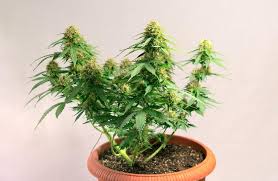
Autoflower seeds are bred using genetics from Cannabis ruderalis, a hardy subspecies known for its ability to flower automatically, regardless of light cycles. Unlike traditional cannabis varieties, autoflower plants don’t rely on changes in daylight hours to begin blooming. Instead, they transition from the vegetative stage to flowering based on time—usually within two to four weeks after germination.
This makes autoflowers incredibly convenient for growers who want a faster turnaround or who prefer a more relaxed approach to cultivation. They’re small, efficient, and adaptable, making them especially popular in urban growing environments and compact indoor setups.
What Are Photoperiod Seeds?
Photoperiod cannabis seeds come from classic indica and sativa genetics that flower based on changes in light exposure. Indoors, growers control this by switching from an 18/6 (light/dark) cycle to a 12/12 cycle. Outdoors, the shift happens naturally as the days grow shorter.
Photoperiod plants offer greater control, typically larger yields, and the ability to manipulate growth using techniques like topping, training, or extended vegetative cycles. They’ve been the long-time favorite among serious growers, especially those aiming for premium bud structure, potency, and terpene expression.
Key Differences Between Autoflower and Photoperiod Seeds
1. Growth Timeline
If speed matters to you, autoflowers win hands down.
Autoflowers often finish in just 8–12 weeks from seed to harvest, making them ideal for growers who want multiple harvests per year or need quick turnaround times.
Photoperiod strains, on the other hand, take longer. Their timeline depends heavily on how long you keep them in the vegetative stage. A typical photoperiod grow runs 12–20 weeks, but many growers intentionally extend veg time for bigger plants and larger harvests.
2. Light Requirements
Autoflowers don’t need light-cycle changes to bloom. You can keep them under 18–24 hours of light per day through the entire grow, and they will still flower on schedule.
Photoperiods require controlled lighting to trigger flowering, which gives growers more flexibility but also demands more precision.
If you’re growing indoors and don’t want to think much about timers or schedules, autoflowers feel incredibly liberating.
3. Plant Size and Structure
Autoflowers stay compact—usually 1 to 3 feet tall—which works beautifully for stealth grows, balconies, small tents, or low ceilings.
Photoperiod plants can grow much larger—sometimes 5 to 8 feet or more—and their size can be manipulated with training techniques. If you’re hoping for big, impressive plants with heavy yields, photoperiods shine.
4. Yield Potential
This is where photoperiod seeds take the lead. Because they tend to grow bigger and can be vegetated longer, photoperiod plants often give significantly higher yields.
Autoflowers offer decent yields but usually can’t match the sheer volume photoperiod strains produce. Their strength lies in speed rather than quantity.
5. Difficulty Level
Autoflowers are ideal for beginners. They’re resilient, low maintenance, and can thrive even with minor mistakes. Since they automatically flower, you don’t have to worry about light interruptions causing stress or re-veg cycles.
Photoperiod strains require more experience—and more hands-on involvement. They reward that effort with better control, customization, and overall plant performance, but they’re less forgiving.
6. Potency and Flavor Profiles
Modern autoflowers have made huge strides in potency and terpene development thanks to improved breeding. Many autoflower strains today can rival photoperiods in THC and aroma.
However, photoperiod genetics still lead the pack when it comes to consistent potency, bud density, resin production, and terpene richness. If quality is your top priority, photoperiods tend to deliver the most premium results.
Which One Suits Your Growing Style?
Your ideal seed type comes down to your goals, setup, and experience level. Here’s how to decide:
Choose Autoflower Seeds If You Want:
- Fast harvests
- Low-maintenance plants
- Small, discreet setups
- Minimal training and trimming
- Reliability for beginners
- Multiple harvests per year
- A grow that fits into tight schedules
Autoflowers are perfect for new growers, hobbyists, and anyone who prefers simplicity without sacrificing quality.
Choose Photoperiod Seeds If You Want:
- Maximum yield potential
- Full control over plant size and veg time
- The highest potency and terpene expression
- Advanced training techniques like ScrOG, topping, or LST
- Larger plants with heavy colas
- Premium, craft-quality outcomes
Photoperiod strains are the go-to choice for dedicated growers who enjoy the art and challenge of cultivation.
Can You Grow Both at the Same Time?
Absolutely—many growers do. Autoflowers can thrive under the same lights used during a photoperiod vegetative cycle. Their shorter stature lets them fit comfortably beside taller photoperiod plants. The only challenge is light intensity and managing canopy height, but it’s doable with good planning.
Also Read: How Light Cycles Impact Cannabis Seed Growth and Flowering
Final Thoughts
Choosing between autoflower and photoperiod seeds is all about matching your lifestyle and expectations. Autoflowers give you speed, simplicity, and reliability—perfect for growers with limited space or experience. Photoperiod seeds reward patience and skill with bigger yields, stronger potency, and more room for creativity.