
Introduction
Germination is the first and one of the most critical stages in the cannabis growing process. It’s the moment when a seed transitions from dormancy to life, developing into a seedling that will eventually become a mature plant. While the process may seem simple, many growers—especially beginners—face challenges that can prevent seeds from sprouting or lead to weak, unhealthy seedlings.
Understanding the common problems during cannabis seed germination and knowing how to fix them can significantly improve your success rate. With the right approach, patience, and attention to detail, you can create ideal conditions for strong and healthy plant development.
What Happens During Germination?
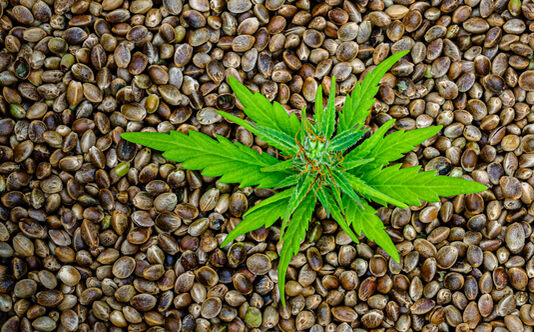
Germination begins when a cannabis seed absorbs moisture, triggering internal enzymes that kickstart growth. The seed shell cracks open, and a small white root (called the taproot) emerges. This root anchors the plant and begins absorbing nutrients.
For successful germination, seeds need three essential conditions: moisture, warmth, and oxygen. When any of these factors are out of balance, problems can arise.
Problem 1: Seeds Not Germinating
One of the most frustrating issues is when seeds simply don’t sprout. You may wait several days with no visible change.
Possible Causes:
Old or low-quality seeds are a common reason. Seeds that have been stored improperly or for too long may lose viability. Incorrect temperature or insufficient moisture can also prevent germination.
How to Fix It:
Start by using fresh, high-quality seeds from a reliable source. Maintain a consistent temperature between 20–25°C (68–77°F). Ensure the growing medium is moist but not soaked. If using the paper towel method, keep it damp and place it in a warm, dark environment.
Problem 2: Overwatering the Seeds
Too much water is just as harmful as too little. Overwatering can suffocate the seed by limiting oxygen availability, which is essential for germination.
Signs:
Seeds may appear swollen but fail to sprout. In some cases, they may rot before opening.
How to Fix It:
Keep the environment moist, not wet. If using soil, avoid soaking it completely. A light misting is often enough. Proper drainage is key to preventing excess water buildup.
Problem 3: Underwatering or Dry Conditions
On the other end of the spectrum, insufficient moisture can stop germination altogether.
Signs:
Seeds remain hard and unchanged, showing no signs of cracking or root development.
How to Fix It:
Ensure consistent moisture throughout the germination period. Check regularly and lightly moisten the medium as needed. Avoid letting the environment dry out completely, especially during the early stages.
Problem 4: Incorrect Temperature
Temperature plays a major role in activating the germination process. If it’s too cold or too hot, seeds may struggle to sprout.
Signs:
Delayed germination or complete failure to germinate.
How to Fix It:
Maintain a stable temperature between 20–25°C. Avoid placing seeds in areas with fluctuating temperatures, such as near windows or air vents. Using a seedling heat mat can help maintain consistent warmth.
Problem 5: Lack of Oxygen
Seeds need oxygen to convert stored energy into growth. Poor airflow or overly compacted soil can limit oxygen availability.
Signs:
Seeds may crack open but fail to develop a healthy taproot.
How to Fix It:
Use a light, well-aerated growing medium. Avoid pressing soil too tightly. If using the paper towel method, ensure it’s not overly saturated, as excess water reduces oxygen levels.
Problem 6: Planting Seeds Too Deep
Planting depth is often overlooked but can significantly affect germination success.
Signs:
Seeds may germinate but fail to break through the surface, leading to weak or stalled seedlings.
How to Fix It:
Plant seeds about 0.5 to 1 inch (1–2.5 cm) deep. This allows the seedling to reach the surface without using excessive energy. Keep the soil loose to make it easier for the sprout to emerge.
Problem 7: Handling Seeds Improperly
Cannabis seeds are delicate, especially once the taproot begins to emerge. Rough handling can damage the root and halt growth.
Signs:
Broken or bent taproots, or seeds that stop developing after sprouting.
How to Fix It:
Handle seeds with clean hands or tweezers. Avoid touching the taproot directly. When transferring germinated seeds, place them gently into the growing medium with the root pointing downward.
Problem 8: Using Poor-Quality Growing Medium
The type of medium you use can influence how well seeds germinate. Heavy or nutrient-rich soils can overwhelm young seeds.
Signs:
Slow or uneven germination, or seedlings that appear weak and discolored.
How to Fix It:
Use a light, well-draining medium designed for seedlings. Avoid adding strong fertilizers during germination, as seeds already contain the nutrients needed for early growth.
Problem 9: Mold and Fungal Growth
Excess moisture and poor airflow can create the perfect environment for mold and fungi, which can damage or kill seeds.
Signs:
White fuzzy growth on seeds or surrounding material, unpleasant odor, or rotting seeds.
How to Fix It:
Maintain a clean germination environment. Avoid overwatering and ensure proper airflow. If mold appears, remove affected seeds immediately and adjust moisture levels.
Problem 10: Using Chlorinated or Poor-Quality Water
Water quality can impact germination more than many growers realize. High levels of chlorine or contaminants may interfere with the process.
Signs:
Delayed germination or inconsistent results across seeds.
How to Fix It:
Use filtered or distilled water whenever possible. If using tap water, let it sit for 24 hours to allow chlorine to dissipate before use.
Tips for Successful Germination
To improve your success rate, focus on creating a stable and controlled environment. Keep conditions consistent, monitor moisture levels, and avoid unnecessary interference during the germination process.
Patience is also key. Some seeds may take longer than others to sprout, even under ideal conditions. Avoid the temptation to dig up seeds to check their progress, as this can disrupt development.
Also Read: Fast-Growing Cannabis Seeds: What to Look For in 2026
Final Thoughts
Cannabis seed germination may seem like a simple step, but it requires careful attention to detail. From moisture and temperature to handling and medium selection, every factor plays a role in determining success.
By understanding common problems and how to fix them, you can avoid costly mistakes and set the stage for healthy plant growth. A strong start during germination lays the foundation for a productive and successful cannabis cultivation journey.