
Introduction:
When it comes to cultivating cannabis, growers have two primary options: indoor and outdoor cultivation. Each method comes with its own set of advantages and challenges, making it essential for growers to weigh the pros and cons before deciding which approach to take. In this comprehensive guide, we’ll explore the pros and cons of indoor and outdoor cultivation, helping Canadian growers make informed decisions when purchasing cannabis seeds in Canada and embarking on their cultivation journey.
Understanding Indoor Cultivation
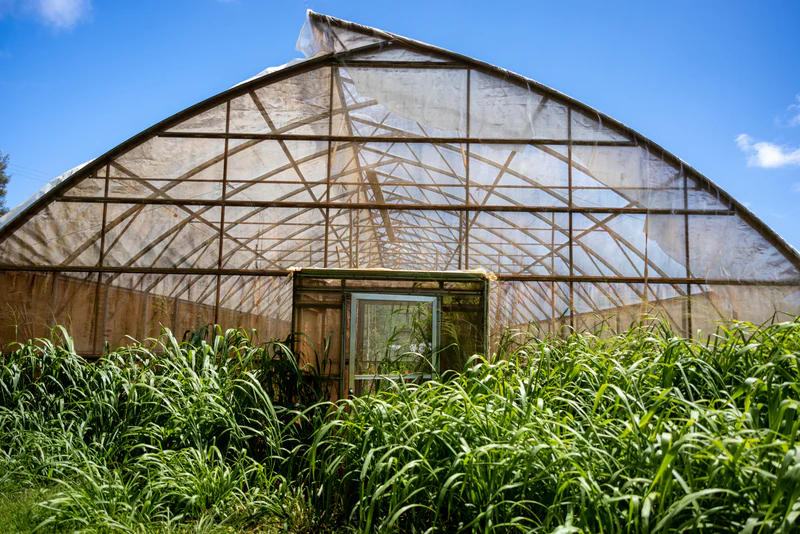
Indoor cultivation involves growing cannabis plants within a controlled environment, typically inside a grow room, tent, or greenhouse. Here are the key pros and cons of indoor cultivation:
Pros:
- Controlled Environment: Indoor cultivation allows growers to have precise control over environmental factors such as temperature, humidity, light, and air circulation, optimizing plant growth and maximizing yields.
- Year-Round Cultivation: With indoor cultivation, growers can cultivate cannabis year-round, regardless of seasonal changes or outdoor weather conditions.
- Privacy and Security: Indoor cultivation offers greater privacy and security, reducing the risk of theft or detection by unauthorized individuals.
- Higher Potency: By controlling environmental conditions and providing tailored lighting schedules, indoor growers can produce cannabis with higher potency and cannabinoid levels.
Cons:
- Higher Operating Costs: Indoor cultivation requires significant initial investment in equipment such as grow lights, ventilation systems, and climate control devices, leading to higher operating costs compared to outdoor cultivation.
- Energy Consumption: Maintaining ideal environmental conditions indoors often results in high energy consumption, contributing to increased utility bills and environmental impact.
- Limited Space: Indoor cultivation may be constrained by limited space, especially for growers with small indoor setups or urban dwellers with limited square footage.
- Risk of Pests and Disease: Despite controlled environments, indoor cultivation is still susceptible to pests, mold, and disease, requiring vigilant pest management and sanitation practices.
Exploring Outdoor Cultivation
Outdoor cultivation involves growing cannabis plants in natural sunlight, typically in gardens, fields, or outdoor grow sites. Let’s explore the pros and cons of outdoor cultivation:
Pros:
- Natural Sunlight: Outdoor cultivation harnesses the power of natural sunlight, providing plants with full spectrum light and potentially enhancing flavor and aroma profiles.
- Lower Operating Costs: Compared to indoor cultivation, outdoor cultivation requires minimal investment in equipment, resulting in lower operating costs and potentially higher profit margins.
- Greater Yield Potential: With ample space and natural resources, outdoor cultivation has the potential to yield larger harvests compared to indoor grows, especially for large-scale operations.
- Environmental Sustainability: Outdoor cultivation has a smaller environmental footprint compared to indoor cultivation, as it relies on natural resources rather than artificial lighting and climate control systems.
Cons:
- Weather Dependency: Outdoor cultivation is highly dependent on weather conditions, making crops vulnerable to fluctuations in temperature, humidity, rainfall, and pests.
- Seasonal Limitations: Outdoor cultivation is limited to the growing season, typically from spring to fall, with plants needing to be harvested before the onset of frost or inclement weather.
- Security Risks: Outdoor grow sites may be more susceptible to theft, vandalism, and detection by law enforcement or unauthorized individuals, posing security risks for growers.
- Regulatory Compliance: Outdoor cultivation may be subject to local regulations, zoning ordinances, and environmental permits, requiring growers to navigate legal requirements and restrictions.
Factors to Consider When Choosing
When deciding between indoor and outdoor cultivation, Canadian growers should consider several factors, including:
- Climate and Location: Assess your local climate and geographic location to determine whether outdoor cultivation is feasible year-round or if indoor cultivation provides more consistent results.
- Cost and Resources: Evaluate your budget, available space, and resources to determine which cultivation method aligns with your financial and logistical constraints.
- Quality and Control: Consider your preferences for cannabis quality, potency, and flavor, as well as your ability to control environmental variables and mitigate risks.
- Legal and Regulatory Considerations: Familiarize yourself with local laws, regulations, and licensing requirements governing cannabis cultivation to ensure compliance with legal obligations.
Read Also : The Complete Guide To Germinating Cannabis Seeds
Conclusion:
Indoor and outdoor cultivation each offer unique advantages and challenges for cannabis growers in Canada. Whether you choose to buy cannabis seeds in Canada and cultivate indoors or take your plants outdoors, weighing the pros and cons of each approach is essential for maximizing yields, quality, and profitability. By considering factors such as climate, cost, quality, and legal compliance, growers can make informed decisions that align with their goals and resources. Whether you’re a hobbyist grower or a commercial cultivator, exploring both indoor and outdoor cultivation methods can unlock new opportunities for success in the rapidly evolving cannabis industry. Happy growing!
In conclusion, both indoor and outdoor cultivation methods have their own sets of advantages and disadvantages. By carefully considering factors such as climate, cost, quality, and legal compliance, Canadian growers can determine which cultivation method best suits their needs and preferences. Whether you choose to cultivate indoors or outdoors, the key is to leverage your resources effectively and optimize growing conditions to produce high-quality cannabis yields. With the right approach and careful planning, you can embark on a successful cultivation journey and enjoy the rewards of growing your own cannabis from seed to harvest.