
Introduction
Chronic pain affects millions of people worldwide, often leading to diminished quality of life and reliance on pharmaceuticals. For many, medical cannabis has emerged as a beacon of hope, providing significant relief where traditional treatments have failed. This blog post delves into real-life experiences of individuals who have successfully used medical cannabis for pain management, shedding light on its transformative potential.
Understanding Medical Cannabis for Pain Relief
ECS to modulate pain signals and reduce inflammation.
1. The Science Behind Cannabis and Pain
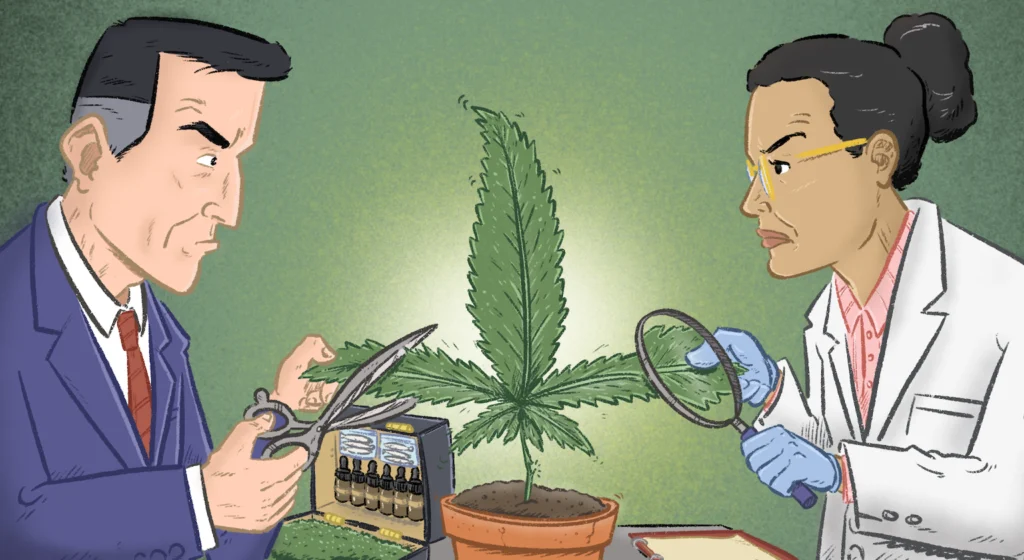
Medical cannabis works by interacting with the body’s endocannabinoid system (ECS), a complex cell-signaling system that plays a role in regulating a range of functions and processes, including pain. Cannabinoids, the active compounds in cannabis for pain relief, bind to receptors in the ECS to modulate pain signals and reduce inflammation.
2. Types of Pain Treated with Medical Cannabis
Medical cannabis has been found effective for various types of pain, including:
- Chronic pain: Persistent pain often associated with conditions like arthritis, fibromyalgia, and back injuries.
- Neuropathic pain: Resulting from nerve damage, common in conditions like diabetes and multiple sclerosis.
- Inflammatory pain: Associated with autoimmune diseases like rheumatoid arthritis and Crohn’s disease.
Real-Life Success Stories
Despite trying various medications, physical therapy, and alternative treatments.
1. Jane’s Journey with Chronic Pain and Fibromyalgia
– Initial Struggles and Traditional Treatments
Jane, a 45-year-old teacher, was diagnosed with fibromyalgia over a decade ago. Her condition caused widespread musculoskeletal pain, fatigue, and sleep disturbances. Despite trying various medications, physical therapy, and alternative treatments, Jane’s pain remained debilitating.
– Turning to Medical Cannabis
In 2020, Jane’s physician suggested trying medical cannabis. Skeptical but desperate, Jane began using a CBD-rich strain. Within weeks, she noticed significant improvements in her pain levels and overall well-being. Her sleep improved, and she could participate in activities she had long abandoned.
2. Mike’s Battle with Neuropathic Pain from Diabetes
– Living with Diabetic Neuropathy
Mike, a 60-year-old retired engineer, struggled with severe neuropathic pain due to diabetes. The burning and tingling sensations in his feet made walking and daily activities challenging. Traditional painkillers provided little relief and caused unwanted side effects.
– Finding Relief with Medical Cannabis
After extensive research and consulting his doctor, Mike started using a balanced CBD/THC oil. The change was profound. Mike experienced reduced pain and regained his mobility. He could enjoy his hobbies and social activities once more, significantly enhancing his quality of life.
3. Sarah’s Success with Arthritis and Inflammation
– Chronic Pain from Rheumatoid Arthritis
Sarah, a 50-year-old graphic designer, battled rheumatoid arthritis for years. Her joints were inflamed and painful, limiting her ability to work and perform simple tasks. Steroids and nonsteroidal anti-inflammatory drugs (NSAIDs) offered temporary relief but came with long-term health risks.
– Embracing Medical Cannabis
On the advice of a friend, Sarah tried a THC-dominant strain combined with CBD. The anti-inflammatory properties of cannabis helped reduce her joint pain and swelling. Sarah found she could manage her arthritis symptoms more effectively and with fewer side effects than traditional medications.
The Impact of Medical Cannabis on Quality of Life
Chronic pain often leads to anxiety, depression, and stress.
1. Improved Physical Functioning
Many individuals using medical cannabis for pain report significant improvements in physical functioning. Activities that were once impossible or painful become manageable, enhancing overall mobility and independence.
2. Enhanced Mental Health
Chronic pain often leads to anxiety, depression, and stress. Medical cannabis not only alleviates pain but also has anxiolytic and antidepressant properties, contributing to improved mental health and emotional well-being.
3. Better Sleep Quality
Pain often disrupts sleep, leading to a cycle of worsening symptoms. Medical cannabis, particularly strains high in CBD, can improve sleep quality, helping individuals wake up refreshed and better equipped to handle their day.
Potential Side Effects and Considerations
These effects are often dose-dependent and can be managed with proper guidance.
1. Understanding the Risks
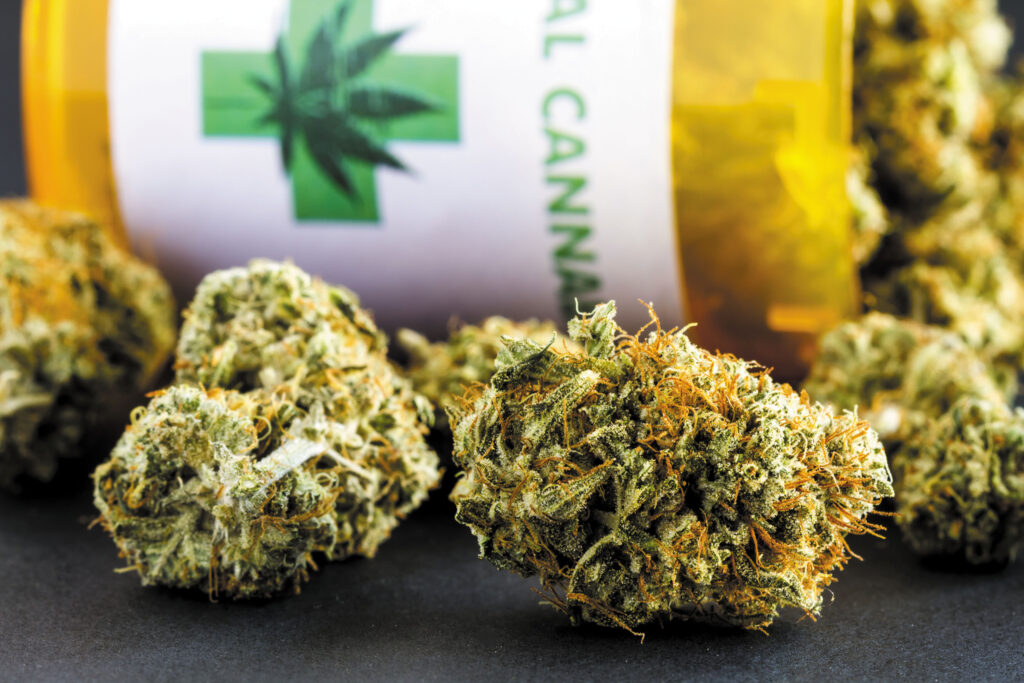
While many find relief with medical cannabis, it’s essential to be aware of potential side effects, which can include dizziness, dry mouth, and altered cognitive function. These effects are often dose-dependent and can be managed with proper guidance.
2. Consulting Healthcare Professionals
Before starting medical cannabis, it is crucial to consult with a healthcare professional. They can provide personalized advice, dosage recommendations, and monitor for potential interactions with other medications.
3. Legal Considerations
The legal status of medical cannabis varies by region. It’s important to understand the local laws and regulations regarding the use and cultivation of medical cannabis to ensure compliance.
Exploring More Success Stories and Future Prospects
Standard medications provided partial relief but came with considerable side effects like drowsiness and cognitive impairment.
1. David’s Experience with Multiple Sclerosis
– The Challenge of Managing Multiple Sclerosis
David, a 35-year-old software developer, was diagnosed with multiple sclerosis (MS) five years ago. MS caused him intense neuropathic pain and muscle spasms, severely limiting his ability to work and enjoy life. Standard medications provided partial relief but came with considerable side effects like drowsiness and cognitive impairment.
– Discovering Relief Through Cannabis
After joining an MS support group, David learned about the potential benefits of medical cannabis. He started using a high-CBD strain to manage his symptoms. The results were remarkable—his muscle spasms reduced significantly, and his neuropathic pain became more manageable. David found he could return to his daily activities with renewed energy and minimal discomfort.
2. Emily’s Triumph Over Cancer Pain
– Enduring Pain from Cancer Treatment
Emily, a 40-year-old mother of two, battled breast cancer and endured the harsh side effects of chemotherapy and radiation. The pain and nausea were overwhelming, impacting her ability to care for her children and enjoy life.
– A New Hope with Medical Cannabis
Upon her oncologist’s recommendation, Emily began using medical cannabis to alleviate her pain and nausea. She opted for a balanced THC/CBD oil, which provided substantial relief without the side effects of opioids. Emily’s improved condition allowed her to focus on recovery and spend quality time with her family.
3. Future Prospects and Continuing Research
– Ongoing Studies and Innovations
The potential of medical cannabis for pain relief is continually being explored through ongoing research and clinical trials. Innovations in cannabis cultivation, extraction methods, and delivery systems promise to enhance the efficacy and safety of medical cannabis.
– Expanding Access and Education
As legal barriers continue to fall and societal acceptance grows, more people will have access to medical cannabis. Education and advocacy are crucial in helping patients make informed decisions about their pain management options.
Conclusion
The success stories of Jane, Mike, and Sarah highlight the profound impact medical cannabis can have on individuals suffering from chronic pain. While more research is needed, these real-life experiences offer hope and inspiration to those seeking alternative pain management solutions. Medical cannabis has the potential to transform lives, providing relief and improving the quality of life for countless individuals.
By sharing these stories, we aim to raise awareness and encourage open discussions about the benefits and challenges of using medical cannabis for pain relief. If you or someone you know is struggling with chronic pain, consider exploring medical cannabis as a viable option, always under the guidance of a healthcare professional.
The additional stories of David and Emily further illustrate the transformative impact of medical cannabis on individuals with chronic pain. Their experiences underscore the importance of personalized treatment plans and the need for continued research and advocacy in the realm of medical cannabis. By embracing this natural alternative, many more people may find the relief they desperately seek, leading to improved lives and a brighter future.