
Introduction
When it comes to cultivating cannabis indoors, one of the most critical decisions you’ll make is selecting the right cannabis seeds. The type of seeds you choose will greatly influence your indoor growing experience, affecting factors such as yield, potency, flavor, and overall plant health. In this comprehensive guide, we’ll explore the various aspects to consider when choosing cannabis seeds for indoor growing, ensuring that you make an informed decision and achieve a successful harvest.
Understanding the Basics
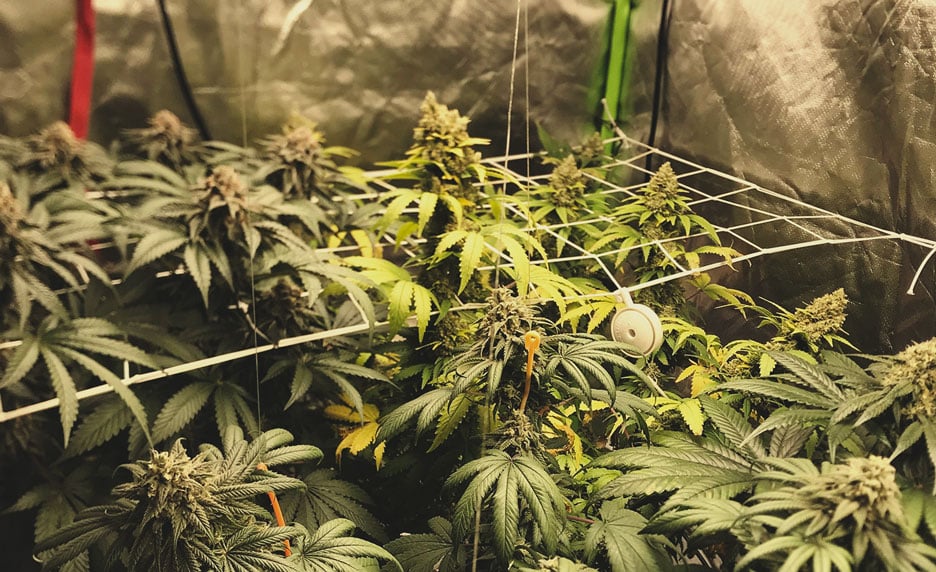
1. Cannabis Species: Indica, Sativa, or Hybrid
The first decision you’ll face is selecting the cannabis species that suits your indoor growing goals. There are primarily three types: Indica, Sativa, and hybrid strains.
- Indica: Indica strains are known for their compact size, short flowering time, and relaxing effects. They are ideal for growers with limited space.
- Sativa: Sativa strains tend to be taller and have longer flowering periods. They offer uplifting and energetic effects. Consider your space and patience when choosing a Sativa.
- Hybrids: Hybrid strains combine the characteristics of both Indica and Sativa. They offer a balanced experience and can be tailored to your preferences.
2. Autoflowering vs. Photoperiod Seeds
Another critical choice is between autoflowering and photoperiod seeds.
- Autoflowering: These seeds automatically switch from the vegetative to the flowering stage without needing a change in light cycles. They are suitable for beginners and provide quicker harvests.
- Photoperiod: Photoperiod seeds require specific light cycles to flower. They offer more control but demand a more attentive approach to lighting.
Factors to Consider
1. Yield Expectations
Your goal as an indoor grower is to maximize your yield within the available space. Yield expectations vary significantly among strains. Research each strain’s average yield and select one that aligns with your goals.
2. THC and CBD Levels
Cannabis strains can have varying levels of THC (tetrahydrocannabinol) and CBD (cannabidiol). Consider the cannabinoid profile that suits your preferences and medicinal needs. THC is responsible for the psychoactive effects, while CBD offers various therapeutic benefits without the high.
3. Flavor and Aroma
The flavor and aroma of the cannabis you grow can greatly enhance your overall experience. Different strains offer diverse terpene profiles, which contribute to the distinctive tastes and scents. Consider what flavors and scents you enjoy and choose a strain that matches your palate.
4. Growing Difficulty
If you’re a novice grower, it’s advisable to start with strains that are known for their ease of cultivation. Some strains are more forgiving of common mistakes, making them suitable for beginners, while others require advanced skills.
5. Space Constraints
Indoor growers often face space limitations. Ensure the selected strain fits within your available space. Compact Indica strains are typically better suited for smaller grow areas.
Sourcing Quality Seeds
1. Reliable Seed Banks
To ensure the quality of your cannabis seeds, it’s crucial to source them from reputable seed banks. Research and choose a seed bank with a strong reputation for providing authentic, genetically stable seeds.
2. Reviews and Recommendations
Reading reviews and seeking recommendations from experienced growers can be invaluable. Online forums, social media groups, and local grower communities can provide insights into which seeds have yielded the best results for others.
3. Genetic Stability
Quality seeds exhibit genetic stability, meaning they produce plants with consistent traits. This ensures that your plants will grow as expected and that you’ll have a reliable harvest.
Legal Considerations
1. Know the Laws
Before purchasing cannabis seeds, familiarize yourself with the local and national laws regarding cannabis cultivation. Some regions have strict regulations that may limit your options.
2. Stealthy Shipping
If you live in an area with stringent cannabis laws, opt for seed banks that offer discreet and stealthy shipping to avoid any potential legal issues.
Germination and Growth
1. Germination Method
After obtaining your seeds, you’ll need to germinate them to begin the growing process. There are various germination methods, such as using paper towels, water, or specialized seed-starting kits. Choose the method that suits your skills and resources.
2. Vegetative and Flowering Stages
Understanding the growth stages of cannabis plants is crucial. During the vegetative stage, plants focus on leaf and stem growth. In the flowering stage, they develop buds. Ensure you provide the appropriate lighting and nutrients for each stage.
3. Environmental Control
Indoor cannabis cultivation requires precise control over environmental factors like temperature, humidity, and ventilation. Invest in the necessary equipment and monitoring tools to create an ideal growing environment.
The Importance of Genetics
1. Understanding Genetic Variability
Genetics play a pivotal role in determining the outcome of your indoor cannabis cultivation. Even within the same strain, there can be variations in plant characteristics. Consider purchasing seeds from breeders who have stabilized their genetics over multiple generations. This reduces the likelihood of undesirable traits appearing in your plants.
2. Landrace Strains
Landrace strains are indigenous strains that have adapted to specific geographical regions. These strains can be valuable for their unique characteristics, but they may also present challenges in terms of cultivation. Understanding the origins and characteristics of landrace strains can help you make informed choices.
3. Breeders and Strain History
Research the breeders and the history of the strains you’re interested in. Reputable breeders often provide detailed information about the genetic lineage and characteristics of their strains. This knowledge can give you insights into what to expect from your plants.
Special Considerations
1. Medical Cannabis
If you are growing cannabis for medicinal purposes, consult with a healthcare professional or a medical cannabis expert to select strains that address your specific medical condition. Certain strains may be better suited for pain relief, anxiety reduction, or other therapeutic effects.
2. Personal Tolerance and Sensitivity
Each individual’s tolerance and sensitivity to cannabis can vary. It’s essential to know your own limits and preferences when choosing strains, especially if you have previous experience with cannabis.
The Role of Testing and Experimentation
1. Testing Small Batches
For those who are new to indoor cannabis cultivation or are trying out new strains, consider starting with a small batch. This allows you to experiment without committing significant resources and space to a particular strain. You can gain valuable experience and refine your techniques before scaling up.
2. Keeping Records
Maintain detailed records of your cultivation process. Note the strain, germination method, environmental conditions, and any issues or successes you encounter. This information will help you refine your growing techniques and select the best seeds for your specific conditions.
Conclusion
Choosing the right cannabis seeds for indoor growing is a crucial step in ensuring a successful harvest. By considering factors such as species, yield, cannabinoid content, flavor, and genetics, you can tailor your cultivation experience to meet your specific goals and preferences. Remember to source your seeds from reputable seed banks, stay informed about the legal aspects, and pay attention to every stage of growth to maximize your indoor cannabis cultivation success. With dedication and knowledge, you can enjoy high-quality, homegrown cannabis that meets your expectations.