
Cannabis has long been a topic of interest in the field of mental health, especially for its potential to address conditions like anxiety and depression. As attitudes toward cannabis evolve and research expands, more people are turning to it as a possible therapeutic option. But how effective is cannabis for mental health, and what does the science say?
Understanding Cannabis and Its Components
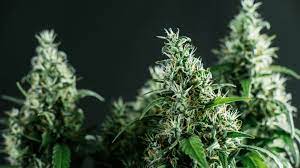
Cannabis contains over 100 chemical compounds known as cannabinoids, the most notable being THC (tetrahydrocannabinol) and CBD (cannabidiol). These compounds interact with the endocannabinoid system in the body, which regulates mood, stress, and other functions.
- THC is psychoactive and responsible for the “high” associated with cannabis. It may have mood-elevating properties but can also increase anxiety in some individuals.
- CBD, on the other hand, is non-psychoactive and has been studied for its calming and anxiety-reducing effects.
Cannabis and Anxiety
Anxiety disorders are among the most common mental health conditions, affecting millions worldwide. While some research suggests cannabis may alleviate symptoms of anxiety, the effects depend on the strain, dosage, and individual response.
Benefits of Cannabis for Anxiety
- CBD-Dominant Strains: CBD has been shown to reduce anxiety in both human and animal studies. It interacts with serotonin receptors, which play a crucial role in mood regulation.
- THC at Low Doses: Small amounts of THC may induce relaxation and reduce anxiety, although higher doses can sometimes have the opposite effect.
Risks and Considerations
- High-THC strains may exacerbate anxiety in some individuals, especially those prone to panic attacks or generalized anxiety disorder.
- Regular use of high-THC cannabis can lead to dependence and increased sensitivity to stress.
Cannabis and Depression
Depression is a complex condition characterized by persistent sadness, lack of energy, and loss of interest in activities. While cannabis is not a cure for depression, it may offer symptom relief for some individuals.
Potential Benefits
- Mood Enhancement: THC can temporarily elevate mood by increasing dopamine levels in the brain.
- Stress Reduction: CBD’s calming properties may help alleviate the stress and fatigue often associated with depression.
Limitations
- Cannabis may only address symptoms rather than underlying causes of depression.
- Prolonged use of high-THC cannabis can interfere with the brain’s natural reward system, potentially worsening depressive symptoms over time.
Scientific Evidence
While anecdotal reports and preliminary studies highlight the potential of cannabis in managing anxiety and depression, more robust clinical trials are needed.
- A 2019 study published in the Journal of Affective Disorders found that cannabis use reduced self-reported symptoms of anxiety and depression in the short term but emphasized the need for long-term research.
- Another study in Neurotherapeutics highlighted CBD’s potential as an anxiolytic (anxiety-reducing agent) without the risk of dependency associated with THC.
Key Considerations for Use
If you’re considering cannabis for mental health, it’s essential to approach it responsibly:
- Consult a Professional: Speak with a healthcare provider to determine if cannabis is right for you and to understand potential interactions with other medications.
- Choose the Right Product: Opt for CBD-dominant strains or products with a balanced THC-to-CBD ratio.
- Start Low and Go Slow: Begin with a low dose and monitor how your body responds.
- Be Mindful of Side Effects: Monitor for any adverse effects such as increased anxiety, drowsiness, or mood changes.
Alternative Treatments
Cannabis may not work for everyone. Other treatments for anxiety and depression include therapy (such as CBT), medications, lifestyle changes, and mindfulness practices. Combining these approaches with cannabis, under professional guidance, may yield the best results.
Read Also : Exploring the Lifespan of Cannabis Seeds: How Long Do They Last?
Conclusion
The role of cannabis in mental health is both promising and complex. While it may offer relief for some individuals dealing with anxiety and depression, it is not a one-size-fits-all solution. As research progresses, the medical community will gain a better understanding of how to maximize its benefits while minimizing risks.
If you’re considering cannabis as part of your mental health regimen, do so with caution, proper guidance, and an open mind to other complementary treatments.