
Introduction
Cannabis cultivation has evolved significantly over the years, giving growers access to a wide range of seed varieties designed for different goals and growing environments. Among the many options available today, fast-flowering cannabis seeds have become increasingly popular among both beginner and experienced growers.
These seeds are specifically bred to reduce flowering time, allowing cultivators to harvest plants more quickly compared to traditional strains. For growers looking to maximize efficiency, manage short growing seasons, or achieve multiple harvests within a year, fast-flowering genetics can offer several advantages.
However, growing fast-flowering cannabis successfully still requires proper planning, environmental control, and realistic expectations. Understanding how these seeds work and what makes them different can help growers decide whether they fit their cultivation goals.
This guide explores what fast-flowering cannabis seeds are, how they work, their advantages and challenges, and what growers should know before starting.
What Are Fast-Flowering Cannabis Seeds?
Fast-flowering cannabis seeds are specially bred strains designed to complete the flowering stage more quickly than standard photoperiod cannabis plants.
Traditional cannabis strains often require:
- 8 to 12 weeks of flowering
- Longer overall cultivation cycles
Fast-flowering strains are developed by combining genetics that shorten this flowering period, sometimes reducing harvest times by several weeks.
These strains are different from autoflowering cannabis seeds, although the two are often confused.
Fast-Flowering vs Autoflowering Seeds
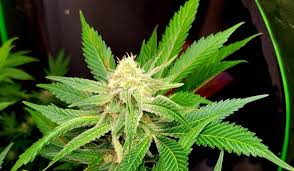
Understanding the difference between fast-flowering and autoflowering seeds is important for growers.
Fast-Flowering Seeds
Fast-flowering strains still rely on light cycle changes to trigger flowering. Like traditional photoperiod plants, they typically begin flowering when exposed to longer periods of darkness.
However, their flowering phase is genetically shortened, allowing for quicker harvests.
Autoflowering Seeds
Autoflowering strains flower automatically based on age rather than light exposure. They are usually smaller and complete their life cycle quickly regardless of lighting schedules.
While autoflowers are convenient, fast-flowering photoperiod strains often offer:
- Larger yields
- More training flexibility
- Greater control over plant size
- Potentially stronger cannabinoid profiles
This makes fast-flowering seeds appealing to growers who want speed without sacrificing too much control or production.
Why Growers Choose Fast-Flowering Cannabis Seeds
Fast-flowering genetics have become increasingly popular because they offer practical advantages in both indoor and outdoor cultivation.
Shorter Harvest Cycles
The most obvious advantage is reduced flowering time.
Many growers choose fast-flowering strains because they can:
- Harvest sooner
- Reduce total grow time
- Increase annual production cycles
Indoor growers may be able to fit additional harvests into a single year, while outdoor growers benefit from earlier finishing plants before unfavorable weather arrives.
Better for Short Outdoor Seasons
Outdoor growers in colder climates or regions with early autumn rain often struggle with long-flowering strains.
Fast-flowering cannabis seeds may reduce exposure to:
- Cold temperatures
- Excess moisture
- Mold risks
- Early frost damage
Earlier harvests can improve overall crop reliability in challenging climates.
Reduced Risk of Mold and Pests
Because plants spend less time flowering, they may face reduced exposure to environmental threats.
Shorter flowering periods can lower the risk of:
- Bud rot
- Mold development
- Pest infestations
- Weather-related stress
This is especially valuable for outdoor growers in humid regions.
Faster Results for Beginners
New growers are often attracted to fast-flowering strains because they provide quicker feedback and results.
Shorter grow cycles allow beginners to:
- Learn cultivation basics more quickly
- Identify mistakes sooner
- Gain experience faster
- Build confidence before growing longer-cycle strains
For many first-time growers, shorter timelines feel more manageable and motivating.
Common Characteristics of Fast-Flowering Strains
Although every strain is different, many fast-flowering cannabis plants share certain characteristics.
These may include:
- Rapid bud development
- Compact flowering schedules
- Hybrid genetics
- Strong environmental adaptability
- Moderate to high yields depending on conditions
Some fast-flowering strains also maintain impressive potency and terpene profiles despite their shorter growth cycles.
However, speed does not automatically guarantee quality. Genetics and cultivation practices still play major roles in final results.
Indoor Growing Considerations
Fast-flowering cannabis seeds are highly popular among indoor growers because controlled environments allow cultivators to maximize efficiency.
Lighting Schedules
Unlike autoflowers, fast-flowering photoperiod strains still require light cycle adjustments to begin flowering.
Indoor growers typically:
- Use longer light periods during vegetative growth
- Switch to 12 hours of darkness to trigger flowering
Because flowering happens quickly, timing and consistency become especially important.
Training Techniques
Growers may still use training methods such as:
- Low-stress training (LST)
- Topping
- Screen of Green (ScrOG) setups
However, because flowering starts and finishes faster, growers need to plan training early in the plant’s life cycle.
Delaying training too long may reduce effectiveness.
Nutrient Management
Fast-flowering plants move quickly through growth stages, meaning nutrient timing matters.
Growers should monitor:
- Nitrogen levels during vegetation
- Phosphorus and potassium during flowering
- Watering consistency
- pH balance
Overfeeding can stress plants and affect development, especially in shorter grow cycles.
Outdoor Growing Considerations
Outdoor growers often benefit significantly from fast-flowering genetics.
Climate Advantages
In regions with unpredictable weather, earlier harvests can prevent crop losses caused by:
- Autumn rain
- Humidity
- Temperature drops
- Early frost
Fast-finishing plants may also avoid late-season pest pressure.
Sunlight and Timing
Because fast-flowering strains still rely on photoperiods, growers should plan planting times carefully.
Outdoor success depends on:
- Seasonal daylight changes
- Local climate conditions
- Temperature stability
- Proper spacing and airflow
Understanding your local growing season is essential.
Yield Expectations
Many growers wonder whether fast-flowering strains produce smaller yields.
The answer depends on genetics, environment, and cultivation skill.
Some fast-flowering strains produce yields comparable to traditional photoperiod plants, while others may prioritize speed over maximum production.
In general:
- Autoflowers often produce smaller yields
- Fast-flowering photoperiod strains may maintain moderate to large harvests
Proper lighting, nutrition, and environmental control still heavily influence final yield size.
Potency and Terpene Profiles
Modern fast-flowering cannabis genetics have improved significantly.
Early fast-finishing strains were sometimes criticized for reduced potency or weaker terpene profiles. However, breeders have developed many newer varieties capable of producing:
- High THC levels
- Strong aromas
- Rich terpene content
- Balanced cannabinoid profiles
Quality genetics are crucial when selecting seeds.
Common Mistakes Growers Should Avoid
Although fast-flowering strains are efficient, growers still need proper cultivation practices.
Starting Training Too Late
Because these plants flower quickly, delayed training may reduce results.
Growers should begin shaping plants early during vegetation.
Overfeeding Nutrients
Fast growth does not mean plants require excessive nutrients.
Too much fertilizer may lead to:
- Nutrient burn
- Stress
- Slower development
- Reduced bud quality
Balanced feeding schedules are important.
Ignoring Environmental Conditions
Temperature, humidity, and airflow still matter greatly.
Even fast-flowering plants can develop mold or stress issues if environmental conditions become unstable.
Choosing Low-Quality Genetics
Not all fast-flowering seeds are created equally.
Buying from reputable breeders helps improve consistency, germination rates, and overall plant quality.
Choosing the Right Fast-Flowering Seeds
When selecting fast-flowering cannabis seeds, growers should consider:
- Climate compatibility
- Indoor vs outdoor goals
- Desired cannabinoid levels
- Yield expectations
- Flavor and terpene preferences
- Available grow space
Researching breeder reputation and strain reviews can also help avoid unreliable genetics.
Are Fast-Flowering Seeds Good for Beginners?
Fast-flowering cannabis seeds are often considered beginner-friendly because they:
- Produce results faster
- Reduce waiting time
- Simplify seasonal planning
- Lower some environmental risks
However, growers still need to understand basic cultivation principles such as lighting, watering, airflow, and nutrient management.
Patience and observation remain essential even with shorter grow cycles.
The Future of Fast-Flowering Genetics
As cannabis breeding continues to evolve, fast-flowering strains are becoming more advanced.
Breeders are increasingly combining:
- Faster flowering times
- Higher potency
- Better terpene profiles
- Stronger disease resistance
- Larger yields
This ongoing development is helping fast-flowering cannabis become more appealing to commercial growers, home cultivators, and hobbyists alike.
Also Read: Common Problems During Cannabis Seed Germination and How to Fix Them
Final Thoughts
Fast-flowering cannabis seeds offer an attractive option for growers seeking quicker harvests, better climate adaptability, and more efficient cultivation cycles.
Whether growing indoors or outdoors, these strains can provide practical advantages such as reduced flowering time, lower environmental risks, and faster results. However, successful cultivation still requires attention to lighting, nutrients, environmental control, and genetics.
For beginners, fast-flowering strains may offer a rewarding introduction to cannabis cultivation. For experienced growers, they can provide greater flexibility and productivity throughout the year.
As cannabis breeding continues advancing, fast-flowering genetics are likely to remain an important part of modern cultivation strategies for growers looking to balance speed, quality, and performance.