
Introduction
Cultivating cannabis in cold climates presents unique challenges, but with the right strategies and knowledge, it is entirely possible to produce a successful crop. Whether you’re growing for medicinal purposes, recreational use, or as a hobby, understanding how to adapt to colder environments can help you achieve healthy, productive plants. Here’s a comprehensive guide to growing cannabis in cold climates.
Choosing the Right Strain
The first and perhaps most critical step in successfully growing cannabis in cold climates is selecting the right strain. Different cannabis strains have varying levels of tolerance to colder temperatures and environmental stressors. When choosing a strain for cold climates, look for those known for their resilience and ability to thrive in adverse conditions.
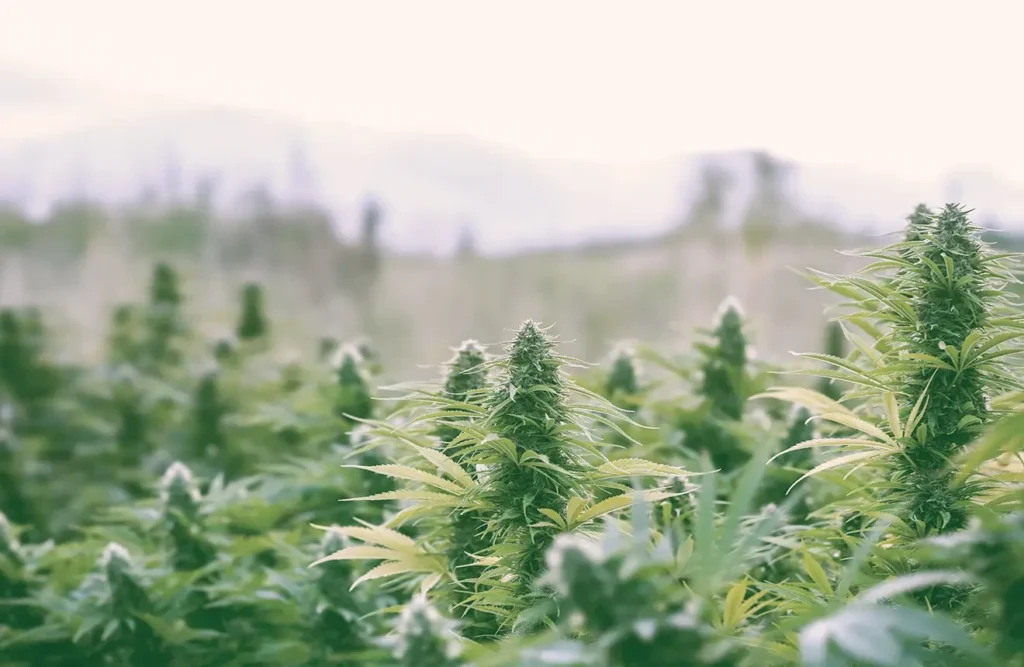
- Resilient Strains: Certain cannabis strains are naturally more suited to cooler environments due to their genetic makeup and geographical origins. Strains like Northern Lights, White Widow, and Afghan Kush have earned reputations for their robustness and ability to withstand colder temperatures. These strains have adapted over generations to climates where temperatures can drop significantly, making them ideal choices for growers in colder regions.
- Autoflowering Varieties: Autoflowering cannabis strains are another excellent option for cold climates. These strains automatically transition from the vegetative stage to the flowering stage based on age, rather than light cycles. They tend to have shorter growing cycles, which can be advantageous in regions with shorter growing seasons or unpredictable weather patterns. Autoflowering strains also typically have compact sizes, making them easier to manage and protect from adverse weather conditions like frost.
- Consider Indica Dominant Hybrids: Indica-dominant hybrid strains often exhibit traits that make them suitable for colder climates. These strains are known for their shorter stature, dense buds, and faster flowering times compared to sativa-dominant strains. Indica genetics generally originate from regions with cooler nighttime temperatures, making them naturally better adapted to colder environments.
- Outdoor Versus Greenhouse Considerations: Depending on your specific climate and growing setup, you may also want to consider whether to grow your cannabis outdoors or in a greenhouse. Greenhouses offer additional protection from cold temperatures and frost, allowing you to create a more controlled environment for your plants. This can be particularly beneficial in colder regions where temperatures can fluctuate dramatically throughout the growing season.
- Research and Local Knowledge: Lastly, research local growing conditions and talk to experienced growers in your area. They can provide valuable insights into which strains have performed well in your specific climate and offer tips on successful cultivation practices. Local knowledge can be invaluable in selecting the right strain and optimizing your growing techniques for the best possible results.
Site Selection and Soil Preparation
Choosing the right location for your cannabis plants is crucial to their success, especially in cold climates. Here are some key considerations to ensure optimal growth:
- Sunlight Exposure: Select a site that receives ample sunlight throughout the day, as sunlight helps to keep plants warm and encourages healthy growth. In cold climates, south-facing slopes are ideal because they receive the most sunlight exposure. This exposure maximizes the amount of warmth your plants receive, which is essential for their development and resilience against cooler temperatures.
- Soil Drainage: Ensure the soil at your chosen site is well-draining. Cold temperatures can exacerbate issues with waterlogging, which can lead to root rot and other diseases. To improve drainage, consider adding organic matter such as compost or well-rotted manure to the soil. These amendments not only enhance drainage but also improve soil structure and fertility, providing a healthier environment for your cannabis plants to thrive.
- Raised Beds or Containers: In regions with particularly cold or wet soils, raised beds or containers can offer additional benefits. They provide better control over soil conditions, including drainage and temperature regulation. Raised beds warm up more quickly in spring, extending the growing season and reducing the risk of frost damage to your plants.
- Wind Protection: Consider the impact of wind on your chosen site. Cold winds can exacerbate the chill factor for plants, making them more susceptible to damage. Planting near natural windbreaks like trees, fences, or shrubs can provide protection and create a more favorable microclimate for your cannabis plants.
- Soil Preparation: Prepare the soil thoroughly before planting. Besides improving drainage with organic matter, ensure the soil is well-aerated and free of debris. Cold climates can cause soil to compact, hindering root growth and nutrient uptake. Regularly aerating the soil and adding amendments like perlite or coarse sand can promote healthy root development and overall plant vigor.
Germination and Seedling Care
Starting cannabis seeds indoors is an effective strategy for cold climate growers, providing a controlled environment for optimal germination and early growth. Here’s how to ensure your seedlings thrive:
- Controlled Environment: Use a heated propagator or place seeds on a warm, sunny windowsill to maintain consistent temperatures ideal for germination. Cannabis seeds typically germinate best at temperatures between 70-85°F (21-29°C). Keep the growing medium moist but not waterlogged during this stage to support germination.
- Seedling Development: Once seedlings have developed a few sets of true leaves, they are ready for the next stage. Maintain adequate lighting and ensure good air circulation to promote healthy growth. Consider using a gentle fan to strengthen stems and prevent damping off.
- Hardening Off: Before transplanting outdoors, acclimatize seedlings to outdoor conditions gradually. This process, known as hardening off, involves exposing seedlings to outdoor temperatures and sunlight incrementally over 1-2 weeks. Start with a few hours of exposure in a sheltered location, gradually increasing exposure time and intensity.
- Protection from Cold: Be cautious of late frosts in cold climates. Harden off seedlings during periods of milder weather and have frost protection measures ready, such as row covers or cloches, to shield plants from sudden drops in temperature.
Protecting Plants from Frost
Frost is a significant threat to cannabis plants in cold climates. To protect your plants, consider using frost blankets, cloches, or cold frames. These protective covers can help trap heat and shield your plants from the harshest conditions. Additionally, mulching around the base of your plants with straw, leaves, or other organic materials can help insulate the roots and retain soil warmth.
- Frost Covers: Utilize frost blankets, cloches, or cold frames to shield plants from freezing temperatures. These covers act as insulation, trapping heat around the plants and creating a microclimate that is warmer than the surrounding air. Secure covers properly to prevent them from blowing away in windy conditions.
- Mulching: Apply a layer of mulch around the base of your plants to insulate the soil and roots. Organic materials such as straw, leaves, or wood chips are excellent choices for mulching. Mulch helps regulate soil temperature by reducing temperature fluctuations and conserving moisture, which is beneficial in cold climates where soil can quickly lose heat overnight.
- Row Covers: Install row covers over rows or individual plants to provide additional protection from frost. Row covers are lightweight and breathable, allowing sunlight and water to reach plants while creating a barrier against cold winds and frost.
- Cold Frames: Consider using cold frames for more extensive protection. Cold frames are simple structures with transparent covers that capture sunlight and heat, creating a warm environment for plants inside. They can be particularly useful for hardening off seedlings or protecting young plants during early spring or late fall when temperatures are unpredictable.
- Monitoring Weather Conditions: Stay informed about local weather forecasts and be prepared to cover plants when frost is expected. Monitor temperature fluctuations closely, especially during the night, as frost often occurs in the early morning hours when temperatures drop the lowest.
Greenhouse Growing
If growing cannabis outdoors in cold climates is too risky, consider investing in a greenhouse. A greenhouse can provide a controlled environment that mitigates the effects of cold weather. It can also extend the growing season by protecting plants from early frosts in the fall and late frosts in the spring. Ensure your greenhouse has adequate ventilation to prevent mold and mildew, and consider using supplemental heating if necessary.
- Temperature Regulation: Greenhouses create a stable microclimate that shields plants from cold temperatures and frost. By trapping solar heat during the day and minimizing heat loss at night, greenhouses provide a more consistent and favorable temperature range for cannabis plants to thrive.
- Frost Protection: One of the primary advantages of a greenhouse is its ability to protect plants from early and late frosts. Greenhouse structures act as barriers against frost, preventing sudden drops in temperature that can damage or kill tender plants. This protection allows growers to start planting earlier in the spring and extend harvests well into the fall, maximizing the growing season.
- Ventilation and Air Circulation: Proper ventilation is essential in greenhouses to maintain optimal humidity levels and prevent mold and mildew growth, which can be exacerbated in humid environments. Consider installing vents, fans, or louvers to facilitate airflow and regulate humidity, creating a healthier environment for cannabis plants.
- Supplemental Heating: In colder climates or during periods of extreme cold, supplemental heating may be necessary to maintain optimal temperatures inside the greenhouse. Electric heaters, propane heaters, or radiant floor heating systems can provide the additional warmth needed to protect plants from frost and ensure consistent growth.
- Year-Round Cultivation: Greenhouses enable year-round cultivation, offering flexibility to grow cannabis regardless of seasonal changes or outdoor weather conditions. With proper climate control and management, greenhouse growers can produce high-quality cannabis throughout the year, meeting market demands and maximizing yield potential.
Watering and Feeding
Cannabis plants in cold climates require careful watering management. Overwatering can be a common issue, as cooler temperatures mean the soil retains moisture longer. Water your plants deeply but infrequently, allowing the top inch of soil to dry out between watering. Feeding your plants with a balanced fertilizer that includes essential nutrients like nitrogen, phosphorus, and potassium will support healthy growth and development.
- Watering Management: In cold climates, soil tends to retain moisture longer, increasing the risk of overwatering. To prevent waterlogged conditions that can lead to root rot and other issues, water your cannabis plants deeply but infrequently. Allow the top inch of soil to dry out between watering sessions to promote healthy root development and prevent moisture-related problems.
- Monitoring Soil Moisture: Regularly monitor soil moisture levels to gauge when watering is necessary. Use your finger or a moisture meter to check soil moisture at different depths. Adjust watering frequency based on environmental factors such as temperature and humidity, as these can influence plant water needs.
- Fertilization: Feed your cannabis plants with a balanced fertilizer formulated for cannabis cultivation. Look for fertilizers that contain essential nutrients such as nitrogen (N), phosphorus (P), and potassium (K), often referred to as NPK. These nutrients support overall plant health, vigorous growth, and robust flowering. In cold climates, where nutrient uptake may be slower due to cooler soil temperatures, providing adequate nutrition is crucial for maintaining plant vitality.
- Organic Amendments: Consider supplementing your feeding regimen with organic amendments like compost or compost tea. These natural fertilizers enrich the soil with beneficial microorganisms and improve soil structure, enhancing nutrient availability and uptake by cannabis plants. Organic amendments also promote soil health and sustainability, contributing to long-term cultivation success.
- Seasonal Adjustments: Adjust your watering and feeding practices based on seasonal changes and plant growth stages. During colder months or early spring when growth may be slower, reduce fertilizer concentrations and monitor watering more closely to accommodate lower plant water and nutrient demands. As temperatures warm up and plants enter peak growth phases, gradually increase fertilizer applications and adjust watering schedules accordingly.
Harvesting
Timing your harvest correctly is crucial in cold climates. Be vigilant for signs that your plants are ready to harvest, such as the color change in trichomes from clear to milky or amber. Harvesting before the first hard frost is essential to avoid damage to your buds. If an unexpected frost is forecasted, you may need to harvest early or take additional protective measures.
- Monitoring Trichome Development: As your plants approach maturity, closely monitor the trichomes—the tiny, resinous glands on the buds. Trichomes change color from clear to milky or amber as THC levels peak and cannabinoids develop. Use a magnifying glass or jeweler’s loupe to examine trichomes closely. Harvest when trichomes are predominantly milky for a more euphoric effect or amber for a more sedative effect, depending on your preference.
- Weather Forecast Awareness: Stay informed about local weather forecasts, especially as the end of the growing season approaches. Frost poses a significant risk to cannabis plants, potentially damaging buds and compromising overall quality. Plan your harvest timing to avoid exposure to frost, which can occur suddenly in colder climates. If frost is forecasted unexpectedly, consider harvesting early or implementing protective measures such as covering plants with frost blankets or moving them indoors temporarily.
- Early Harvest Considerations: In colder climates, where the growing season may be shorter, you may need to consider early harvesting to safeguard your crop. While early harvesting may result in slightly lower cannabinoid levels and less developed flavors, it can prevent significant damage from frost and ensure a viable harvest.
- Harvest Preparation: Prepare for harvest by ensuring you have the necessary tools and supplies, such as sharp pruning shears and drying racks. Harvest during the day when temperatures are milder to minimize stress on plants and facilitate handling. Handle buds carefully to avoid damaging trichomes and preserve their potency and aroma.
- Drying and Curing: After harvest, properly dry and cure your buds to enhance their flavor, potency, and shelf life. Hang buds upside down in a dark, well-ventilated space with moderate humidity levels for initial drying. Once dry, transfer buds to airtight containers to cure, opening them periodically to release excess moisture and promote even curing.
Post-Harvest Care
After harvesting, proper drying and curing are essential to prevent mold and preserve the quality of your cannabis. Dry your buds in a cool, dark, and well-ventilated space, ensuring they are not exposed to freezing temperatures. Once dried, cure your buds in airtight containers, opening them periodically to release moisture and ensure even curing.
- Drying Process: Immediately after harvest, carefully trim excess leaves from buds and hang them upside down in a cool, dark, and well-ventilated environment. Maintain temperatures between 60-70°F (15-21°C) and humidity levels around 50-55% to facilitate gradual drying. Avoid exposing buds to freezing temperatures, which can damage trichomes and compromise quality.
- Monitoring Drying Progress: Monitor the drying process regularly by gently touching buds to assess moisture levels. Buds should feel dry on the outside but still slightly moist inside. Depending on environmental conditions, drying typically takes 7-14 days. Adjust ventilation as needed to ensure even airflow around buds.
- Curing Phase: Once buds are sufficiently dried, transfer them to airtight glass jars or containers for the curing phase. Fill jars approximately 2/3 full to allow space for air circulation. Store jars in a cool, dark place with temperatures around 60-70°F (15-21°C) and humidity levels of 55-62%.
- Burping Jars: During the curing process, burp jars daily for the first two weeks to release excess moisture and prevent mold formation. Open jars for 5-10 minutes to allow fresh air to circulate, then close them tightly again. Gradually reduce burping frequency to once every few days as moisture levels stabilize.
- Final Storage: After 4-8 weeks of curing, depending on personal preference and desired potency, your cannabis buds are ready for long-term storage. Transfer cured buds to airtight containers or vacuum-sealed bags stored in a cool, dark place away from light and heat sources. Properly stored cannabis can maintain quality for several months to a year, retaining flavor, potency, and aromatic properties.
Also Read: Success Stories: Real-Life Experiences with Medical Cannabis for Pain
Conclusion
Growing cannabis in cold climates requires careful planning and attention to detail, but it is entirely feasible with the right approach. By selecting appropriate strains, preparing your site, protecting your plants from frost, and managing watering and feeding, you can achieve a successful harvest even in challenging conditions. Whether you choose to grow outdoors, in a greenhouse, or a combination of both, adapting to the unique demands of a cold climate will reward you with a healthy and productive cannabis crop.