
Introduction
Cannabis cultivation has gained tremendous popularity among both hobby growers and professionals alike. But whether you’re cultivating for personal use, wellness, or commercial purposes, one thing remains constant—the importance of understanding the plant’s life cycle. Every stage, from the tiny seed to a fully mature plant ready for harvest, comes with unique needs, challenges, and opportunities to maximize growth.
In this guide, we’ll take a journey through the life cycle of cannabis, breaking down each phase in detail. By the end, you’ll have a clear roadmap to growing healthy, potent plants and ensuring a rewarding harvest.
Germination: The Beginning of Life
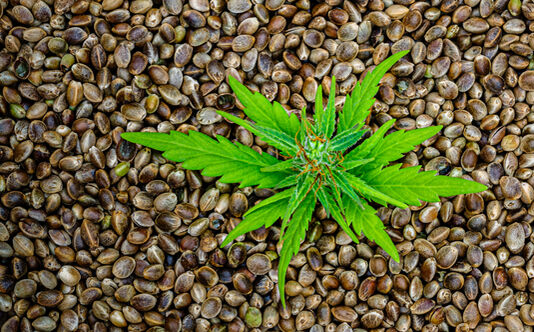
The cannabis life cycle begins with a seed—tiny, dormant, and full of potential. Under the right conditions, this seed springs to life through germination.
What happens during germination?
When exposed to moisture, warmth, and oxygen, the seed’s hard outer shell cracks open, and a taproot begins to emerge. This root anchors into the soil (or growing medium), eventually giving rise to a small seedling. Germination usually takes between 24 hours and 7 days, depending on conditions.
Key tips for successful germination:
- Keep seeds in a warm, dark environment (around 70–80°F / 21–27°C).
- Ensure steady moisture without overwatering.
- Popular methods include the paper towel method, starter cubes, or planting directly in soil.
This stage sets the foundation—healthy germination leads to strong seedlings, while weak or poorly germinated seeds often struggle later in growth.
Seedling Stage: Fragile but Full of Promise
Once germinated, the plant enters the seedling stage, lasting about 2–3 weeks. This is when the plant begins to form its first true leaves, characterized by the iconic serrated edges.
Key characteristics of seedlings:
- Small stature with delicate stems and shallow roots.
- Bright green leaves indicating healthy growth.
- Vulnerability to overwatering, pests, or nutrient overload.
Care essentials during seedling stage:
- Provide 18–24 hours of light daily (fluorescent or LED grow lights are gentle and effective).
- Keep the environment warm (68–77°F / 20–25°C) with moderate humidity (65–70%).
- Use minimal nutrients; seedlings are sensitive and thrive on light feeding.
At this stage, patience is vital. Seedlings may look small, but beneath the soil, roots are expanding to support vigorous growth in the next phase.
Vegetative Stage: Building Strength and Structure
The vegetative stage is the powerhouse of cannabis growth, lasting anywhere from 3 to 16 weeks depending on strain and grower preference. Here, the plant focuses on growing tall, spreading wide, and developing strong stems and lush foliage.
What happens in the vegetative stage?
- Rapid root expansion.
- Development of fan leaves to maximize photosynthesis.
- Structural growth to support future buds.
Care essentials during vegetative growth:
- Light: 18 hours on / 6 hours off is standard. Strong grow lights (LED, MH, or HPS) are ideal.
- Nutrients: High nitrogen levels to fuel leaf and stem development.
- Environment: Temperatures between 70–85°F (21–29°C) with humidity around 40–70%.
- Training: Techniques like topping, low-stress training (LST), or pruning can shape plants and increase yields.
Think of this stage as “bodybuilding” for your plant. The stronger and healthier it becomes here, the more abundant its flowering stage will be.
Pre-Flowering Stage: Signs of Maturity
Before flowering begins, cannabis plants enter a transitional stage known as pre-flowering, usually lasting 1–2 weeks. This is when growers can determine the plant’s sex—a critical moment for those cultivating with regular seeds.
Identifying male vs. female plants:
- Male plants: Develop small pollen sacs near nodes (where branches meet the stem).
- Female plants: Show white, hair-like pistils that will later catch pollen or develop into buds.
Most growers remove males to prevent pollination, as pollinated females produce seeds rather than resin-rich flowers. Feminized seeds, however, eliminate this concern by producing only female plants.
Flowering Stage: Bud Development
The flowering stage is the most exciting phase for growers, lasting 6–12 weeks depending on the strain. This is when cannabis produces its prized buds rich in cannabinoids like THC and CBD.
What triggers flowering?
For photoperiod strains, flowering begins when light cycles shift to 12 hours of light and 12 hours of darkness. Autoflower strains, on the other hand, begin flowering automatically after a set number of weeks.
What happens during flowering:
- Formation of dense buds covered in trichomes.
- Stronger aromas as terpenes develop.
- Gradual reduction in leaf growth as energy shifts to bud production.
Care essentials during flowering:
- Reduce nitrogen and increase phosphorus and potassium in nutrients.
- Maintain humidity between 40–50% to prevent mold.
- Support branches if buds become heavy.
Monitoring closely during this stage ensures maximum potency, aroma, and yield.
Harvest: The Reward for Patience
The final stage is harvest—the moment growers have been waiting for. Timing is everything here. Harvest too early, and cannabinoids may not be fully developed; too late, and potency may decline.
Signs your cannabis is ready for harvest:
- Trichomes: Cloudy or amber in color when viewed under a magnifying glass.
- Pistils: Majority have darkened and curled inward.
- Leaves: Fan leaves may start yellowing as the plant uses up its energy.
Once harvested, buds undergo drying and curing to preserve flavor, potency, and smoothness. This process can take several weeks but is critical for high-quality results.
Also Read: A Beginner’s Guide to Cannabis Seeds: Types, Benefits, and Growing Tips
Conclusion
From a tiny seed to a resinous, fragrant harvest, the cannabis life cycle is a fascinating journey of transformation. Each stage brings its own challenges and rewards, teaching growers patience, observation, and care. Whether you’re a first-time grower or an experienced cultivator, understanding the life cycle is the foundation for success.
By respecting the plant’s natural rhythms—from germination to flowering—you not only increase your chances of a bountiful harvest but also deepen your connection to one of nature’s most remarkable plants.