
Introduction
Growing cannabis can be a rewarding endeavor, but with so many options available, it can be challenging to choose the right type of seeds. Two of the most popular categories are photoperiod and autoflower cannabis seeds. In this blog post, we’ll delve into the differences between these two types, their pros and cons, and help you decide which is the right choice for your grow.
Understanding the Basics
Flower 2-4 weeks after germination, regardless of the light schedule.
1. What Are Autoflower Cannabis Seeds?
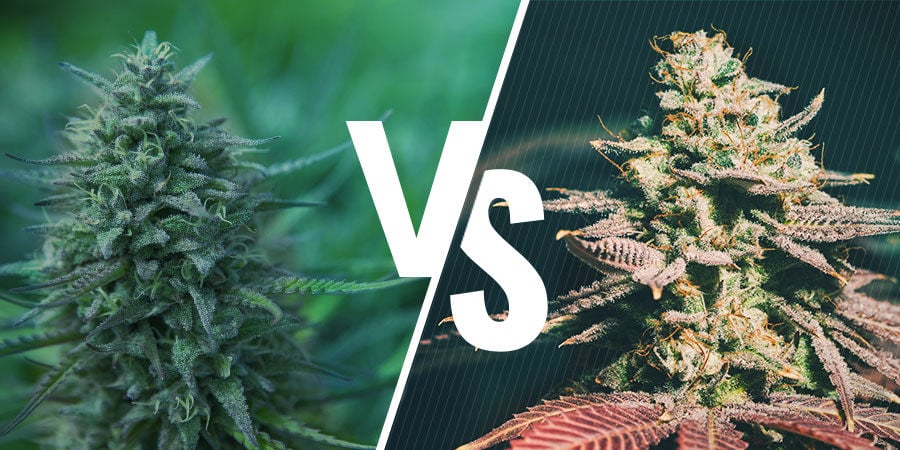
Autoflower cannabis seeds are designed to flower automatically based on age rather than light cycles. Originating from the Cannabis ruderalis species, these plants typically begin to flower 2-4 weeks after germination, regardless of the light schedule.
2. What Are Photoperiod Cannabis Seeds?
Photoperiod cannabis seeds, derived from Cannabis indica and Cannabis sativa species, require a change in light cycle to initiate flowering. Typically, these plants need around 18 hours of light during the vegetative stage and 12 hours of light to start the flowering process.
Key Differences Between Autoflower and Photoperiod Cannabis
Multiple harvests within a single growing season.
1. Growth Cycle
– Autoflower Cannabis
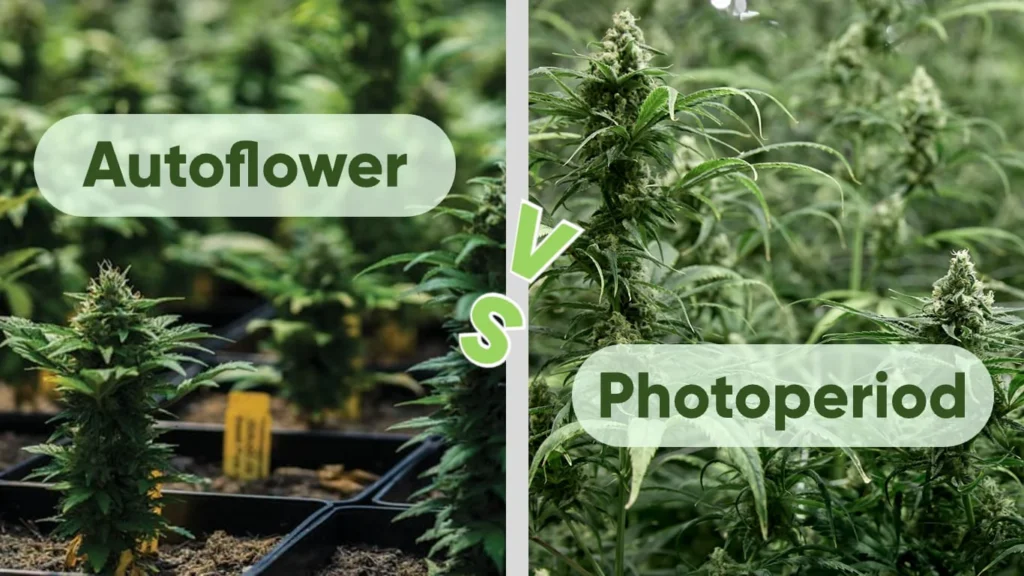
Autoflowering plants have a set lifecycle, usually ranging from 8 to 12 weeks from seed to harvest. This makes them an excellent choice for growers seeking multiple harvests within a single growing season.
– Photoperiod Cannabis
Photoperiod plants have a more flexible lifecycle. The vegetative stage can last as long as the grower desires, allowing for potentially larger plants and higher yields. The transition to flowering is controlled by altering the light cycle.
2. Size and Yield
– Autoflower Cannabis
Autoflower plants are generally smaller in size, making them ideal for indoor growers with limited space. However, their yields are typically lower than photoperiod strains due to their compact size and shorter growth period.
– Photoperiod Cannabis
Photoperiod plants can grow significantly larger, especially if given a prolonged vegetative stage. This often results in higher yields, making them a preferred choice for growers aiming for maximum output.
3. Light Requirements
– Autoflower Cannabis
Autoflower strains are less dependent on specific light schedules. They thrive under a consistent 18-24 hours of light per day throughout their lifecycle, offering more flexibility and ease for beginners.
– Photoperiod Cannabis
Photoperiod plants require precise light management. During the vegetative stage, they need 18 hours of light, followed by a switch to 12 hours of light to induce flowering. This can be challenging for novice growers and requires a controlled environment.
4. Resilience and Hardiness
– Autoflower Cannabis
Autoflower strains are known for their resilience and ability to withstand harsh conditions. They have a natural resistance to pests and diseases, making them a robust choice for outdoor growing in diverse climates.
– Photoperiod Cannabis
Photoperiod plants can be more sensitive to environmental changes and stressors. They often require more meticulous care to prevent issues such as mold, pests, and nutrient deficiencies.
Pros and Cons
1. Autoflower Cannabis
– Pros
- Fast Growth Cycle: Ready to harvest in as little as 8 weeks.
- Ease of Growth: Suitable for beginners due to their resilience and less stringent light requirements.
- Multiple Harvests: Possibility of several harvests in one season.
- Compact Size: Ideal for indoor growing and small spaces.
– Cons
- Lower Yield: Generally produces smaller yields compared to photoperiod strains.
- Limited Training Potential: Short lifecycle limits the time available for plant training techniques.
2. Photoperiod Cannabis
– Pros
- Higher Yield: Potential for larger plants and greater yields.
- Flexible Growth: Ability to extend the vegetative stage for more significant growth.
- Training Friendly: More time for applying training techniques like topping and LST (low-stress training).
– Cons
- Longer Growth Cycle: Takes more time to reach harvest.
- Light Sensitivity: Requires precise light management, which can be challenging for beginners.
- Space Requirements: Larger plants need more growing space.
Choosing the Right Type for Your Grow
The ability to manipulate the light cycle and growth duration allows for advanced training techniques and optimization.
1. Consider Your Experience Level
For beginners, autoflower cannabis seeds offer a more straightforward and forgiving introduction to cannabis cultivation. Their resilience and simpler light requirements make them less prone to common growing mistakes.
Experienced growers might prefer photoperiod seeds for the control they offer over plant size, shape, and yield.
2. Evaluate Your Growing Space
If you’re working with limited space, such as a small indoor grow tent or balcony, autoflower strains are likely the better choice. Their compact size and fast growth cycle fit well in confined areas.
For those with ample space and a controlled environment, photoperiod strains can take full advantage of the available room, potentially leading to larger plants and higher yields.
– Assess Your Goals
- Multiple Harvests: If you aim for multiple harvests throughout the year, autoflower seeds are ideal due to their rapid lifecycle.
- Maximum Yield: For those prioritizing maximum yield per plant, photoperiod seeds provide the flexibility needed to achieve larger harvests.
The Economic Aspect
This makes autoflower cannabis an attractive option for hobbyists and those growing on a budget.
1. Cost of Cultivation
– Autoflower Cannabis
Autoflower seeds can be a cost-effective choice for novice growers. Their shorter lifecycle means lower costs for electricity, nutrients, and other resources. Additionally, their resilience reduces the need for expensive pest control and treatment products.
– Photoperiod Cannabis
While photoperiod plants may incur higher cultivation costs due to longer grow cycles and the need for precise environmental controls, the potential for higher yields can offset these expenses. For commercial growers, the investment in a controlled environment can lead to a significant return due to the larger harvests photoperiod plants can produce.
2. Market Considerations
– Autoflower Cannabis
The quick turnaround time of autoflower plants means faster market entry, which can be advantageous in a competitive market. However, the generally lower yield might require growing a larger number of plants to meet market demands, potentially increasing the overall effort and resources needed.
– Photoperiod Cannabis
Photoperiod strains, with their potential for higher yields and often stronger cannabinoid profiles, can fetch higher prices in the market. This makes them a lucrative choice for growers focusing on quality and quantity. The ability to grow larger plants with extensive training techniques can also appeal to consumers seeking premium products.
Environmental Impact
Making them a more eco-friendly option for sustainable growers.
1. Autoflower Cannabis
Autoflower strains, with their shorter growth cycles, can have a reduced environmental impact. The lessened need for extensive lighting and climate control over a shorter period can lower energy consumption, making them a more eco-friendly option for sustainable growers.
2. Photoperiod Cannabis
While photoperiod plants may require more resources due to their longer growth cycles, sustainable practices can mitigate their environmental impact. Utilizing renewable energy sources, organic farming methods, and efficient water usage can help make photoperiod cultivation more environmentally friendly.
Future Trends in Cannabis Cultivation
Contributing to higher yields and better-quality harvests.
1. Innovations in Autoflower Strains
Breeders are continually improving autoflower strains to enhance their yield, potency, and flavor profiles. The development of new genetics is making autoflowers increasingly competitive with photoperiod strains, broadening their appeal to both hobbyists and commercial growers.
2. Advances in Photoperiod Cultivation
Technological advancements in cultivation techniques, such as automated light systems and climate control, are making it easier to manage photoperiod plants. Innovations in training methods and nutrient delivery systems are also contributing to higher yields and better-quality harvests.
Conclusion
Choosing between autoflower and photoperiod cannabis seeds ultimately depends on your individual needs, experience level, and growing conditions. Autoflower strains offer simplicity and speed, making them perfect for beginners and those with limited space. Photoperiod strains, with their potential for larger yields and greater control, are well-suited for experienced growers with the ability to manage precise light cycles and larger plants.
By understanding the differences and evaluating your specific circumstances, you can make an informed decision that ensures a successful and rewarding cannabis growing experience. Happy growing!