
Growing cannabis successfully involves understanding how light influences every stage of the plant’s life. Light cycles are one of the most critical factors in determining how cannabis seeds germinate, grow, and eventually flower. Whether you’re growing indoors or outdoors, knowing how to manage light exposure can make the difference between an average and an exceptional yield.
In this guide, we’ll break down how light cycles impact cannabis seed growth and flowering, and how you can optimize them for better results.
Understanding the Importance of Light in Cannabis Growth
Light is the energy source that powers photosynthesis — the process through which plants convert light into chemical energy. Cannabis plants are highly sensitive to light duration, intensity, and wavelength. These factors signal the plant when to grow leaves, when to develop buds, and when to prepare for harvest.
Cannabis is a photoperiod-sensitive plant, meaning its growth stages are influenced by the number of light and dark hours it receives each day. Managing these light cycles allows growers to control how and when the plant transitions from the vegetative to the flowering phase.
The Three Main Growth Stages and Their Light Needs
Before we dive into specific light cycles, it’s essential to understand the three main growth stages of cannabis and their lighting requirements.
1. Germination Stage
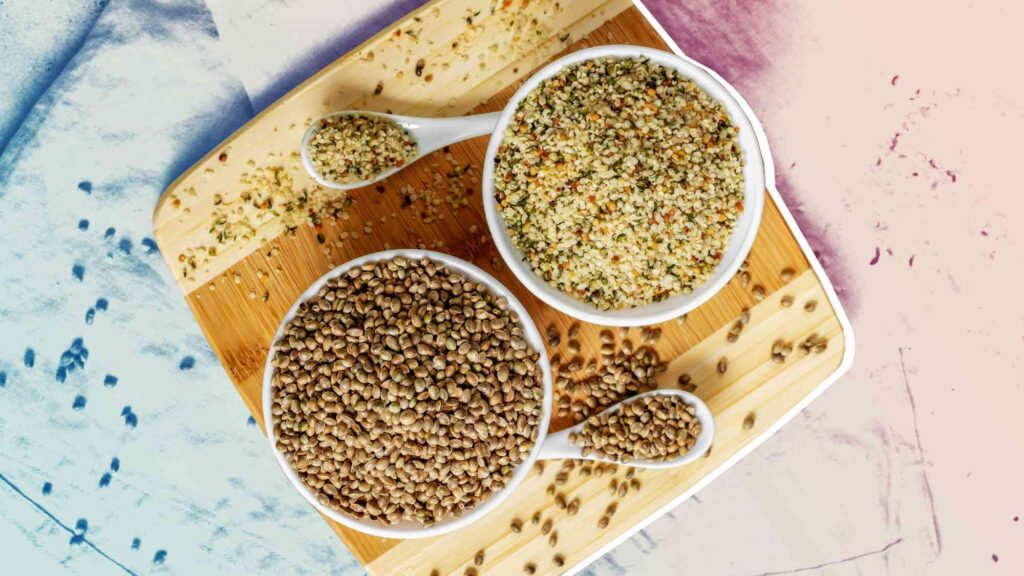
When a cannabis seed begins its journey to becoming a full-grown plant, it doesn’t require much light. During germination, warmth and moisture are far more important. Seeds should be kept in a dark, damp environment until they sprout. Once the seedling emerges, it’s ready to receive light to begin photosynthesis.
2. Vegetative Stage
This is when cannabis plants experience rapid growth, producing stems, leaves, and branches. During the vegetative stage, plants need long hours of light to mimic the extended daylight of summer.
An 18/6 light cycle (18 hours of light and 6 hours of darkness) is ideal for most growers. This schedule encourages strong growth and helps the plant develop a solid structure for future buds.
3. Flowering Stage
As the days grow shorter, cannabis plants receive a signal from nature that it’s time to reproduce. To trigger flowering, the light cycle is reduced to 12 hours of light and 12 hours of darkness. The consistent dark period encourages the plant to stop growing new leaves and focus its energy on producing buds.
How Light Cycles Influence Cannabis Behavior
Light cycles don’t just tell the plant when to grow or flower — they also influence its internal biological clock.
Cannabis plants contain photoreceptors known as phytochromes, which sense the ratio of red and far-red light. During darkness, these phytochromes convert to a different form, which signals the plant that nighttime has arrived. When darkness is extended to 12 hours or more, the plant interprets it as autumn, triggering flowering.
This is why light leaks during the dark cycle can confuse the plant, causing stress, hermaphroditism, or delayed flowering.
Light Cycle Requirements for Autoflower vs. Photoperiod Seeds
Not all cannabis plants respond to light cycles the same way. The type of seed you grow — autoflower or photoperiod — will determine how you manage your lighting.
Photoperiod Seeds
Photoperiod cannabis seeds rely on light cycles to transition between growth stages. These plants stay in the vegetative stage as long as they receive extended daylight (typically 18 hours). When light is reduced to 12 hours, they begin flowering. This gives growers full control over plant size and harvest timing.
Autoflower Seeds
Autoflower cannabis seeds are different. They flower automatically after a set amount of time, regardless of light exposure. Derived from the Cannabis ruderalis species, these plants can complete their lifecycle under almost any light schedule.
Most growers use an 18/6 or 20/4 light cycle for autoflowers from seed to harvest. While they don’t depend on light cycles for flowering, providing consistent light helps them produce better yields and healthier plants.
Light Intensity and Spectrum: Why It Matters
While the duration of light exposure is vital, light intensity and spectrum also play major roles in cannabis development.
Light Spectrum
- Blue Light (400–500 nm): Encourages compact, bushy growth — ideal for the vegetative stage.
- Red Light (620–750 nm): Promotes flowering and bud formation.
- Full Spectrum Light: Mimics natural sunlight and supports all growth stages effectively.
Light Intensity
Too much light can cause stress or “light burn,” while too little can stunt growth. Indoor growers often measure light intensity in PPFD (Photosynthetic Photon Flux Density). Aim for:
- 300–600 µmol/m²/s during the vegetative phase
- 600–1000 µmol/m²/s during flowering
Adjusting the distance between the light source and the canopy helps maintain optimal intensity.
Transitioning from Vegetative to Flowering Stage
When it’s time to switch from the vegetative to the flowering stage, make gradual adjustments to the light cycle. Sudden changes can shock the plant.
Start by reducing light exposure by one hour every few days until you reach the 12/12 schedule. Maintaining total darkness during the “night” period is crucial to avoid interrupting the flowering process.
Indoor growers often use timers to automate lighting schedules, ensuring consistent and precise light cycles.
Light Cycles for Outdoor Cannabis Plants
Outdoor cannabis growers rely on natural light cycles, which change throughout the year.
- Spring to midsummer: Longer days support the vegetative stage.
- Late summer to autumn: Shorter days trigger flowering naturally.
If growing outdoors, pay attention to regional daylight patterns and plant timing to ensure the flowering period doesn’t coincide with cold or rainy weather.
Common Light Cycle Mistakes to Avoid
Even small errors in light management can affect your yield and plant health. Here are some common mistakes growers make:
- Inconsistent Dark Periods: Interrupting darkness with light leaks can cause stress or hermaphroditic traits.
- Overexposure to Light: Excessive intensity can bleach leaves or burn buds.
- Improper Spectrum Use: Using the wrong light color at the wrong stage can slow growth.
- Skipping Gradual Transitions: Abrupt changes between light schedules can shock plants.
By maintaining stable and appropriate lighting conditions, you create an environment that supports healthy growth from seed to harvest.
Read Also : The Different Types of Cannabis Seeds: Feminized, Autoflowering, and Regular
Conclusion: Mastering Light Cycles for Healthier Cannabis Plants
Light is one of the most powerful tools at your disposal when growing cannabis. By understanding how light cycles affect cannabis seed growth and flowering, you can guide your plants through each stage with precision.
Whether you’re cultivating autoflower or photoperiod seeds, proper lighting ensures stronger plants, higher yields, and more potent buds. Pay attention not only to how long your plants receive light but also to the quality and consistency of that light.
Mastering light cycles is both an art and a science — and once you do, you’ll see your cannabis garden thrive like never before.